Additive manufacturing, also known as 3D printing, is a rapidly growing technology that allows for the creation of complex and intricate objects through the layer-by-layer deposition of materials. While 3D printing has been around for several decades, recent advances in technology and materials have made it more accessible and affordable, leading to its increased adoption in a variety of industries. However, as with any new technology, there are ethical implications to consider.
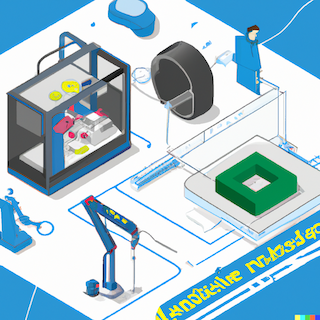
One of the most significant ethical implications of additive manufacturing is the potential impact on jobs. Traditional manufacturing and distribution channels rely on large factories and assembly lines, which employ thousands of workers. However, 3D printing allows for the creation of customized, on-demand products with minimal human intervention. This means that many traditional manufacturing jobs may become obsolete, leaving workers without employment or requiring them to retrain in new fields. 2 operators can easly manage to run 10-15 machines since the most of the printing process is autonomous.
It is essential to recognize that the displacement of workers is not unique to 3D printing. Automation and other technological advances have been impacting the job market for decades, and there is no easy solution to this problem. However, it is crucial to ensure that the benefits of additive manufacturing are shared fairly and that workers are not left behind in the transition to a more automated future.
One potential solution is to invest in education and training programs to help workers develop the skills they need to adapt to the changing job market. For example, workers who previously operated assembly lines may be able to retrain as designers or technicians, working with 3D printers to create and maintain machines or products. Additionally, policies such as universal basic income or a shorter workweek may help ease the transition and ensure that workers have the financial stability to weather these changes.

Another ethical consideration is the impact of additive manufacturing on the environment. While 3D printing can be more energy-efficient and produce less waste than traditional manufacturing methods, it still requires the use of materials such as plastics, which are not biodegradable and can have a significant environmental impact.
To mitigate these negative effects, it is essential to explore alternative materials that are more sustainable and environmentally friendly. For example, researchers are exploring the use of bioplastics, which are made from renewable resources such as cornstarch or sugarcane and are biodegradable. Additionally, recycling programs for 3D printing materials can help reduce waste and ensure that materials are reused rather than discarded.
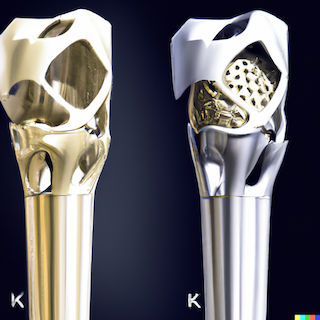
Another potential solution is to encourage the use of 3D printing for products that have a low environmental impact. For example, 3D printing could be used to create customized medical devices, reducing the need for mass-produced products that may be over-engineered or require excessive packaging. Similarly, 3D printing could be used to create replacement parts for machines or appliances, extending their lifespan and reducing the amount of waste generated.
A final ethical consideration is the potential for 3D printing to disrupt traditional distribution channels. With 3D printing, products can be created on-demand, reducing the need for large warehouses and shipping networks. This could potentially lead to the decentralization of manufacturing and a shift towards localized production.
While this may have benefits such as reducing shipping emissions and increasing the availability of customized products, it could also lead to a concentration of power in the hands of those who control the 3D printing technology. Additionally, the loss of economies of scale could lead to higher costs for consumers.
To address these concerns, it is essential to ensure that 3D printing technology is widely available and accessible. This may require government investment in research and development, as well as policies that promote competition and innovation in the 3D printing industry. Additionally, it may be necessary to regulate the use of 3D printing to ensure that it is used ethically and responsibly.
In conclusion, additive manufacturing has the potential to revolutionize the way we create and distribute products.