Welcome, dear readers, to another exciting adventure in the world of additive manufacturing! Today, we’ll dive into the remarkable technology of Electron Beam Additive Manufacturing (AM). But before we delve into the nitty-gritty of Electron Beam AM, let’s take a quick trip down memory lane to see how additive manufacturing and 3D printing have evolved over the years.
The concept of additive manufacturing can be traced back to the 1980s when pioneers like Charles Hull invented stereolithography (SLA). From there, other technologies like Fused Deposition Modeling (FDM) and Selective Laser Sintering (SLS) emerged, opening up a universe of possibilities. Fast forward to today, and we find ourselves in the midst of an additive manufacturing renaissance. 3D printing has come a long way since its inception, now encompassing a wide range of materials, processes, and applications.
As 3D printing matured, the demand for metal components also grew, driven by industries like aerospace, automotive, healthcare, and energy. Metal 3D printing offers the ability to create complex, lightweight, and high-performance components that would be impossible to produce using traditional manufacturing methods. Moreover, it has revolutionized the way we approach design, prototyping, and production, contributing to increased efficiency, reduced waste, and lower environmental impact.
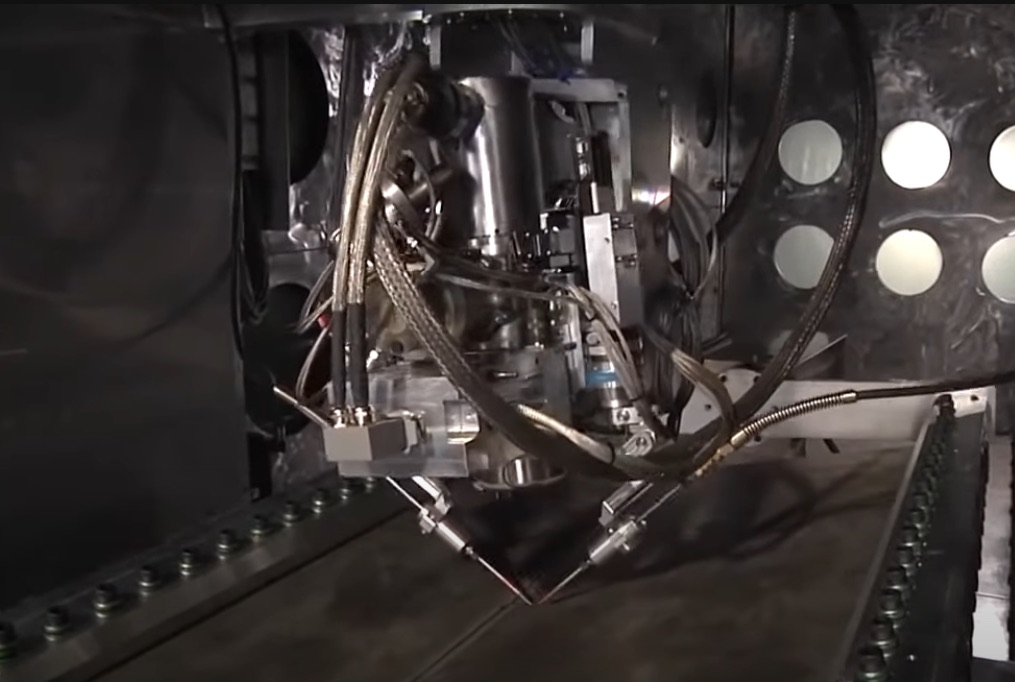
Now, it’s time to shine the spotlight on our main subject: Electron Beam AM is a game-changing metal 3D printing technology that utilizes a powerful electron beam to melt and fuse metal wire feedstock layer by layer. This innovative process has several advantages over traditional manufacturing methods, including faster production times, material and cost efficiency, and superior material properties.
In the following sections, we’ll explore the fascinating science behind Electron Beam AM, its numerous benefits, applications in various industries, and the challenges and limitations it faces. By the end of this journey, you’ll have a deeper understanding of Electron Beam AM and why it’s set to play a pivotal role in the future of manufacturing. So, buckle up, and let’s get started!
The Science behind Electron Beam Additive Manufacturing
Ready to dive deeper into the fascinating world of Electron Beam AM? In this section, we’ll unravel the science behind this cutting-edge technology, exploring the key components of an Electron Beam AM system and the process that brings complex metal components to life.
Electron beam gun
At the core of every Electron Beam AM system, you’ll find the awe-inspiring electron beam gun. This ingenious device generates a highly focused, powerful stream of electrons by heating a tungsten filament or cathode. When heated, the filament releases a cloud of electrons that are accelerated by a high-voltage electric field, and then, with the help of magnetic or electromagnetic lenses, are shaped into a tight, concentrated beam. This mighty beam is directed towards the metal wire feedstock, packing enough energy to effortlessly melt and fuse metal in a matter of milliseconds!
Vacuum chamber
Stepping into the spotlight next is the vacuum chamber, an essential component that ensures the Electron Beam AM process unfolds in a pristine and controlled environment. By maintaining a vacuum, the chamber removes air and any potential contaminants such as dust, moisture, or gases that could jeopardize the quality and integrity of the printed part. Vacuum is critical for Electron Beam AM systems since any particle in the chamber can effect and scatter electron beam.Additionally, the vacuum reduces the risk of oxidation, which is particularly crucial when working with reactive metals such as titanium. This oxygen-free environment not only supports the creation of components with exceptional material properties but also enables more accurate and consistent results.
Wire feed system
Completing the Electron Beam AM ensemble, we have the wire feed system—a true maestro of metal feedstock management. This sophisticated system is designed to continuously deliver a precise amount of metal wire to the focal point of the electron beam. By carefully controlling the wire feed rate and synchronizing it with the movement of the electron beam gun, the wire feed system ensures accurate and efficient deposition of material during the printing process. Moreover, the wire feed system can accommodate multiple wire spools, allowing for an uninterrupted printing process and even the possibility of creating multi-material components.
Together, these three key components form a harmonious trio that powers the Electron Beam AM process, unlocking new frontiers in metal 3D printing and additive manufacturing. In the upcoming sections of this blog, we’ll dive further into the advantages, applications, and challenges of this revolutionary technology. So, keep reading and join us on this thrilling journey into the future of manufacturing!
The Electron Beam Additive Manufacturing process
Generating the electron beam
The Electron Beam AM process kicks off with the generation of a formidable electron beam. The electron beam gun springs into action, heating a filament (typically made of tungsten) that emits a flurry of electrons. These electrons are then accelerated using a high-voltage electric field, turning them into a veritable electron army. Electromagnetic lenses work their magic to focus the electrons into a high-energy beam, capable of melting and fusing metal with extraordinary precision.
Melting metal wire feedstock
With the electron beam locked and loaded, it’s time for the wire feed system to strut its stuff. The metal wire feedstock is guided into the path of the electron beam, where the intense energy of the beam melts the wire in the blink of an eye. This rapid melting forms a small pool of molten metal, which is meticulously controlled by adjusting the intensity of the electron beam and the wire feed rate. This fine-tuning ensures the perfect balance between speed and precision, resulting in high-quality printed parts.
Layer-by-layer deposition and solidification
Prepare to be dazzled by the magic of the Electron Beam AM process! The system expertly choreographs the movements of the electron beam gun and wire feed system in perfect harmony, following a predetermined path based on the digital 3D model of the component being printed. As the molten metal is deposited onto the substrate or previous layer, it rapidly solidifies, forming a sturdy layer of material. The process is repeated layer by layer, with each new layer fusing seamlessly to the one below, gradually bringing the entire component to life, right before your very eyes!
In the next section, we’ll explore the many advantages of Electron Beam AM over other additive manufacturing techniques, and why this technology is making waves across various industries. Stay tuned!
Advantages of Electron Beam AM over other additive manufacturing techniques
As we’ve discovered so far, Electron Beam AM is an innovative and powerful technology. But what sets it apart from other additive manufacturing techniques? In this section, we’ll explore the numerous advantages of Electron Beam AM and why it’s making a splash in the world of 3D printing.
Unparalleled speed
One of the most significant advantages of Electron Beam AM is its incredible speed. Thanks to the high-energy electron beam and efficient wire feed system, Electron Beam AM can deposit material at an astonishing rate of up to 25 lbs (11.3 kg) per hour. This rapid deposition allows for the production of large-scale components in a fraction of the time compared to other additive manufacturing techniques, which is particularly useful for industries that require quick turnaround times, such as aerospace and defense.
Material and cost efficiency
Electron Beam AM shines in the realm of material and cost efficiency. The wire feedstock used in Electron Beam AM is typically more affordable than the powders employed in other metal 3D printing processes, such as Powder Bed Fusion (PBF). Moreover, the near-net-shape manufacturing process of Electron Beam AM results in significantly reduced material waste, lowering both material costs and environmental impact. This efficiency makes Electron Beam AM an attractive option for industries looking to optimize production costs while maintaining high-quality results.
Superior material properties
Electron Beam AM’s unique combination of a high-energy electron beam and a vacuum chamber results in components with outstanding material properties. The vacuum environment minimizes oxidation and contamination, while the rapid heating and cooling cycles during the Electron Beam AM process produce a fine-grained microstructure. This leads to parts with excellent mechanical properties, such as high strength, fatigue resistance, and reduced residual stress, making them well-suited for demanding applications in aerospace, automotive, and other high-performance industries.
Design freedom and complexity
Like other additive manufacturing techniques, Electron Beam AM empowers designers with the ability to create complex geometries and intricate structures that would be impossible or prohibitively expensive to produce using traditional manufacturing methods. However, Electron Beam AM takes it a step further by enabling the production of large-scale components without the need for support structures. This design freedom allows for the creation of lightweight, optimized parts that push the boundaries of engineering and innovation.
Multi-material capabilities
A noteworthy advantage of Electron Beam AM is its potential for multi-material printing. By utilizing multiple wire feed systems or switching between wire spools during the printing process, Electron Beam AM can create components with different metals or metal alloys in a single build. This capability opens up new possibilities for designing and manufacturing components with tailored material properties, paving the way for even more innovative and customized solutions.
As we continue our exploration of Electron Beam AM, we’ll dive into the applications of Electron Beam AM in various industries, as well as the challenges and limitations this technology faces. So, stay tuned, and let’s keep unraveling the wonders of Electron Beam AM together!
Electron Beam Additive Manufacturing Industry
Sciaky, Inc.
The company behind the trademarked term “EBAM,” is a leading provider of metal 3D printing solutions and advanced welding systems. Based in Chicago, Illinois, Sciaky has been at the forefront of large-scale Electron Beam Additive Manufacturing technology. Their EBAM systems are renowned for their speed, material efficiency, and impressive capabilities in producing large-scale, high-quality components for industries such as aerospace, defense, and automotive.
Lockheed Martin
Lockheed Martin, a renowned aerospace and defense company, has been capitalizing on Sciaky’s EBAM technology to manufacture titanium propellant tanks for satellites. By adopting this innovative method, they’ve achieved significant reductions in both production costs and lead times. This means faster, more cost-effective satellite production, opening up new possibilities for space exploration and communication
Airbus
Airbus, a major player in the aerospace industry, has been exploring the potential of EBAM for producing large-scale, lightweight structural components for aircraft. By incorporating EBAM into their manufacturing processes, they aim to reduce the weight of their planes, leading to improved fuel efficiency and reduced emissions. It’s a win-win situation for both the company and the environment!
In this blog post, we will delve into the fascinating world of additive manufacturing by providing brief descriptions of various techniques. Let’s explore each technique and its unique characteristics:
Powder Bed Fusion (PBF) Techniques:
a. Selective Laser Sintering (SLS): Uses a high-powered laser to fuse powdered material, typically nylon or other thermoplastics, layer by layer. Known for producing durable parts with complex geometries.
b. Selective Laser Melting (SLM): Similar to SLS, but melts metal powder to create fully dense metal parts. Commonly used in aerospace and medical industries.
c. Electron Beam Melting (EBM): Uses an electron beam to melt metal powder, resulting in strong and dense metal parts. Popular in aerospace and orthopedic implant manufacturing.
d. Direct Metal Laser Sintering (DMLS): A variation of SLM, it sinters metal powder instead of melting it, creating metal parts with excellent mechanical properties.
Material Jetting Techniques:
a. Material Jetting (MJ): Involves depositing droplets of photopolymer material which are then cured using UV light, offering high resolution and multi-material capabilities.
b. Drop-On-Demand (DoD): Deposits precise amounts of material only when required, minimizing waste and allowing for the creation of intricate geometries.
c. PolyJet: Similar to inkjet printing, it jets layers of UV-curable liquid photopolymer, creating high-resolution, multi-material parts.
d. MultiJet Modeling (MJM): Combines material jetting with wax or support material, enabling the production of highly detailed parts with smooth surfaces.
Binder Jetting Techniques:
a. Binder Jetting (BJ): Sprays a liquid binder onto a powder bed, binding the particles together to create a part. Suitable for producing full-color prototypes and sand casting molds.
b. ColorJet Printing (CJP): Uses inkjet technology to deposit colored binder onto a powder bed, allowing for the creation of full-color, high-resolution models.
c. Sand Casting Core Printing (SCCP): Employs binder jetting to create sand molds and cores for metal casting, reducing lead time and costs.
a. Laminated Object Manufacturing (LOM): Layers of adhesive-coated material, such as paper or plastic, are cut to shape and fused together, producing parts quickly and inexpensively.
b. Ultrasonic Additive Manufacturing (UAM): Combines ultrasonic welding with CNC machining, enabling the production of complex metal parts using a variety of metals and alloys.
a. Stereolithography (SLA): A laser cures a photopolymer resin, creating parts with high accuracy and smooth surfaces, often used for prototypes, casting patterns, and master molds.
b. Digital Light Processing (DLP): Uses a digital projector to cure the photopolymer resin, enabling faster production and high-resolution parts.
c. Continuous Liquid Interface Production (CLIP): A variation of SLA that cures the resin continuously, allowing for faster and smoother part production.
a. Laser Engineered Net Shaping (LENS): Deposits metal powder, which is then melted by a laser, creating large-scale, near-net-shape metal parts.
b. Direct Metal Deposition (DMD): Similar to LENS, but with a broader range of materials and applications.
c. Wire Arc Additive Manufacturing (WAAM): Uses an electric arc to melt metal wire, enabling the creation of large metal parts at a lower cost.
d. Electron Beam Freeform Fabrication:(EBF3): Utilizes an electron beam to melt metal wire or powder, producing large-scale metal parts with excellent mechanical properties and reduced residual stress.
Addup DED Machines
Extrusion-Based Techniques:
a. Fused Deposition Modeling (FDM) / Fused Filament Fabrication (FFF): Extrudes thermoplastic material through a heated nozzle, layer by layer. Widely used for rapid prototyping, functional testing, and low-volume production.
b. Concrete Additive Manufacturing (CAM): Extrudes concrete material to build large-scale structures such as houses, bridges, and infrastructure components.
c. Ceramic Additive Manufacturing (CerAM): Deposits ceramic material in a layer-by-layer process, enabling the production of complex, high-strength ceramic parts.
Bioprinting Techniques:
a. Inkjet-Based Bioprinting: Deposits bioinks containing living cells or biomaterials, allowing for the creation of tissue-like structures and organ models for research and drug testing.
b. Laser-Assisted Bioprinting: Utilizes a laser to transfer bioink onto a substrate, enabling precise placement of cells and biomaterials for tissue engineering applications.
c. Extrusion-Based Bioprinting: Extrudes bioinks through a nozzle, building up 3D structures for tissue engineering and regenerative medicine.
d. Microvalve-Based Bioprinting: Controls the release of bioinks using microvalves, offering high resolution and precise control over cell placement.
Hybrid Additive Manufacturing Techniques:
a. Hybrid Manufacturing: Combines additive and subtractive manufacturing techniques in a single machine, streamlining production and reducing waste.
Other Emerging Techniques:
a. Aerosol Jet Printing (AJP): Sprays aerosolized ink onto a substrate, allowing for the production of electronic components and sensors on a variety of surfaces.
b. NanoParticle Jetting (NPJ): Deposits nanoparticle ink using inkjet technology, enabling the creation of high-resolution metal and ceramic parts.
c. Selective Deposition Lamination (SDL): Bonds layers of material using a heated roller, enabling the production of full-color parts and prototypes from various materials, including paper and plastics.
d. Voxel Printing: Deposits material at the voxel level (3D pixel), allowing for unprecedented control over material properties and gradients, opening up new possibilities in design and functionality.
This list provides a comprehensive overview of the additive manufacturing landscape, showcasing the diversity of techniques and applications. As the field continues to evolve, new technologies and innovations are expected to emerge, driving even more exciting advancements in 3D printing.
Additive manufacturing, commonly known as 3D printing, has emerged as a transformative technology that’s reshaping various industries, from aerospace to fashion. In recent years, the dental industry has begun to embrace these innovations, leveraging the benefits of 3D printing to improve patient care and streamline the production of dental appliances and devices.
At its core, additive manufacturing is the process of creating three-dimensional objects by depositing material, layer by layer, according to a digital design. This technology allows for the rapid production of customized, complex structures with high precision and accuracy. In the dental industry, additive manufacturing has proven to be a game-changer, enabling dental professionals to provide better-fitting appliances and prosthetics, as well as improving surgical planning and outcomes.
This blog post will delve into the ways in which additive manufacturing and 3D printing are impacting the dental industry, focusing on three key applications: aligners, crowns, and surgical guides. We will explore how these technologies are revolutionizing orthodontics, dental prosthetics, and oral surgery, ultimately enhancing the patient experience and driving forward progress in the field of dentistry.
Clear aligners
One of the most significant applications of additive manufacturing in orthodontics is the production of clear aligners. These custom-made, transparent trays are designed to gradually shift teeth into the desired position, offering a more discreet and comfortable alternative to traditional metal braces. 3D printing has revolutionized the production process for clear aligners, bringing numerous benefits to both dental professionals and patients.
Some of the key advantages of using 3D printing for aligner production include:
Improved precision: 3D printing allows for the creation of highly accurate aligners, ensuring a better fit and more effective treatment.
Customization: Each set of aligners is tailored specifically to the patient’s teeth, providing a personalized treatment plan.
Speed: Additive manufacturing significantly reduces production time, allowing dental professionals to deliver aligners to patients more quickly.
Cost-effectiveness: The streamlined production process made possible by 3D printing helps lower costs for both dental professionals and patients.
The process of creating custom-fit clear aligners using 3D printing typically involves the following steps:
Digital scanning: The patient’s teeth are scanned using intraoral scanners or conventional impressions, creating a digital 3D model of their dentition.
Treatment planning: Using specialized software, dental professionals design a custom treatment plan by virtually moving the teeth into the desired position.
3D printing: The digital models for each stage of the treatment plan are converted into a series of 3D-printable files, which are then used to produce the aligners using a high-precision 3D printer.
Post-processing: The printed aligners are cleaned, polished, and inspected for quality before being delivered to the patient.
Brackets and retainers
Additive manufacturing has also revolutionized the production of brackets and retainers, offering significant improvements in accuracy and customization compared to traditional manufacturing methods. For example, 3D printed brackets can be designed to fit the patient’s teeth more precisely, resulting in a more comfortable and effective treatment. Similarly, 3D printed retainers can be created to match the exact contours of the patient’s mouth, ensuring a better fit and preventing unwanted tooth movement after orthodontic treatment.
The use of additive manufacturing for the production of brackets and retainers not only improves the overall quality of the appliances but also significantly reduces production times and costs. Traditional manufacturing methods for brackets and retainers often involve multiple steps and materials, resulting in longer turnaround times and increased expenses. In contrast, 3D printing streamlines the production process, allowing dental professionals to quickly create customized, high-quality orthodontic appliances at a lower cost. This ultimately translates into a more efficient and affordable treatment experience for patients.
3D Printing and Dental Prosthetics
Crowns and bridges
Additive manufacturing has made a significant impact on the field of dental prosthetics, particularly in the production of crowns and bridges. These dental restorations are used to replace missing or damaged teeth, restoring both function and aesthetics to the patient’s smile. 3D printing offers several advantages over traditional manufacturing methods for crowns and bridges:
Customization: Additive manufacturing allows for the creation of highly precise and customized restorations, ensuring a better fit and more natural appearance.
Speed: The production process for 3D printed crowns and bridges is faster than traditional methods, reducing the time patients have to wait for their restorations.
Material options: 3D printing technologies can utilize a wide range of dental materials, including ceramics, resins, and metals, providing dental professionals with greater flexibility in choosing the best material for each patient’s needs.
The process of creating customized crowns and bridges using additive manufacturing typically involves the following steps:
Digital scanning: The dentist captures a digital impression of the patient’s teeth using an intraoral scanner, creating a 3D model of the area to be restored.
Restoration design: Using specialized software, the dentist or dental technician designs the crown or bridge, ensuring an accurate fit and natural appearance.
3D printing: The digital design is converted into a 3D-printable file and printed using a high-precision 3D printer, typically using dental materials such as ceramics, resins, or metals.
Post-processing: The printed restoration is cleaned, polished, and, if necessary, sintered or cured to achieve the desired strength and esthetics. It is then inspected for quality before being cemented or bonded in the patient’s mouth.
Dentures
The benefits of 3D printed dentures
The production of dentures has also been revolutionized by the introduction of 3D printing. Dentures are removable appliances that replace missing teeth and help restore the function and appearance of the patient’s mouth. Some of the benefits of 3D printed dentures include:
Improved accuracy: 3D printed dentures can be designed to fit the patient’s mouth more precisely, resulting in a better fit and increased comfort.
Customization: The digital design process allows for the creation of dentures with personalized esthetics and functionality, tailored to the patient’s specific needs and preferences.
Speed: 3D printing reduces the production time for dentures, allowing patients to receive their new appliances more quickly.
Cost-effectiveness: The streamlined production process made possible by 3D printing can result in lower costs for dental professionals and patients.
One of the most significant advantages of 3D printed dentures is their ability to provide a more personalized fit and improved patient comfort. The digital design process allows dental professionals to create dentures that closely match the unique contours of the patient’s mouth, ensuring a secure fit and reducing the need for adjustments. Additionally, the high level of customization offered by 3D printing enables dental professionals to create dentures with a more natural appearance, which can significantly enhance the patient’s overall satisfaction with their new appliance.
Additive Manufacturing in Oral Surgery
Pre-surgical planning
One of the most valuable applications of additive manufacturing in oral surgery is the creation of 3D printed anatomical models for pre-surgical planning. These patient-specific models provide a tangible, true-to-scale representation of the patient’s anatomy, allowing dental professionals to visualize and plan surgical procedures more accurately. The use of 3D printed models has proven particularly beneficial for complex cases, such as those involving impacted teeth, jaw deformities, or dental implant placement.
The use of 3D printed anatomical models for pre-surgical planning has been shown to improve surgical outcomes and reduce complications. By allowing dental professionals to gain a better understanding of the patient’s unique anatomy and the surgical site, they can anticipate potential challenges and develop more precise surgical strategies. This increased level of planning can lead to shorter surgery times, reduced blood loss, faster patient recovery, and overall better results.
Surgical guides
Another significant application of additive manufacturing in oral surgery is the production of 3D printed surgical guides. These custom-made devices are designed to guide dental professionals during surgical procedures, ensuring the accurate placement of dental implants, precise execution of bone grafts, or the correct positioning of osteotomy cuts. Some of the main advantages of using 3D printed surgical guides include:
Streamlining complex dental procedures
3D printed surgical guides have proven particularly useful in streamlining complex dental procedures, such as implant placement, bone grafting, and orthognathic surgery. By providing a clear and accurate roadmap for the dental professional to follow, surgical guides help eliminate guesswork, increase efficiency, and improve the overall success rate of these procedures. Additionally, the use of surgical guides can help reduce patient anxiety by providing them with the confidence that their surgery is being performed with the highest level of precision and planning.
Challenges and Future Developments in Additive Manufacturing for Dentistry
Regulatory concerns and standardization
Despite the numerous advantages of additive manufacturing in dentistry, there are also challenges to overcome. One of the main concerns is the need for regulatory standardization to ensure consistent quality and safety across dental applications. Regulatory bodies, such as the FDA in the United States, are working on establishing guidelines and requirements for the use of 3D printing in dentistry. Ensuring that dental professionals adhere to these standards will be crucial in maintaining the trust and confidence of patients and the broader dental community.
Technological advancements and new materials
As additive manufacturing technology continues to evolve, new materials and processes are being developed that can further enhance the capabilities of 3D printing in dentistry. For example, the development of advanced dental resins and ceramics can lead to more durable and esthetically pleasing dental restorations. Additionally, improvements in the precision, speed, and efficiency of 3D printers can help make additive manufacturing even more accessible and cost-effective for dental practices.
The potential for bioprinting in dental applications
One of the most exciting future developments in additive manufacturing for dentistry is the potential for bioprinting – the 3D printing of living tissues and cells. Bioprinting has the potential to revolutionize dental treatment by enabling the creation of custom dental implants, tissue regeneration scaffolds, and even the possibility of printing entire teeth from living cells. While bioprinting is still in the early stages of development, it holds great promise for the future of dentistry and patient care.
In conclusion, additive manufacturing and 3D printing have made a significant impact on the dental industry, offering numerous benefits across various applications, from orthodontics and dental prosthetics to oral surgery. The use of these technologies has led to improved precision, customization, and efficiency in the production of dental devices, as well as enhanced surgical planning and outcomes.
As additive manufacturing technology continues to advance and new materials and processes are developed, the future of 3D printing in dentistry looks promising. With the potential for further innovations such as bioprinting, we can expect to see even greater improvements in dental treatment and patient care. By embracing additive manufacturing and staying informed about its latest developments, dental professionals can ensure they are well-equipped to provide the best possible care for their patients.
The world of additive manufacturing has seen rapid advancements in recent years, and binder jetting is one of the technologies at the forefront of this revolution. As a versatile and innovative 3D printing method, binder jetting has gained traction in various industries due to its ability to create intricate and complex parts using a wide range of materials. In this blog post, we will delve into the binder jetting process, explore the materials it utilizes, and discuss its key advantages and limitations.
Binder jetting additive manufacturing is a 3D printing technique that involves the selective binding of layers of powder material using a liquid binding agent. The process starts with the preparation of the build chamber, where a thin layer of powder material is evenly spread across the build platform. A print head, similar to those used in inkjet printers, moves across the powder layer, depositing droplets of liquid binder according to a digital 3D model. As the build platform is lowered, new layers of powder material are spread, and the process repeats until the part is complete. After drying and post-processing, the final product is ready for use.
Types of materials used (metals, ceramics, and sand):
One of the major advantages of binder jetting is its ability to work with a diverse range of materials. The most common materials used in binder jetting include:
Metals: Stainless steel, tool steel, titanium, and other metal alloys are popular choices for binder jetting, particularly in industries such as aerospace, automotive, and medical, where high strength and durability are required.
Ceramics: Binder jetting is used to create ceramic parts with intricate details, such as in the dental industry for crowns, bridges, and implants, as well as for manufacturing components in the electronics industry.
Sand: Binder jetting is used to produce sand molds and cores for metal casting in the foundry industry, enabling the creation of complex geometries that would be difficult or impossible to achieve with traditional methods.
Advantages:
Design freedom: Binder jetting allows for the creation of parts with complex geometries and internal structures that may be challenging or impossible to produce using traditional manufacturing techniques.
Material versatility: The process supports a wide range of materials, enabling the production of parts with specific properties tailored to different applications.
Fast production: Binder jetting can produce multiple parts simultaneously, making it a time-efficient manufacturing method for both small and large production runs.
Limitations:
Post-processing requirements: Binder jetting often requires additional post-processing steps, such as sintering or infiltration, to improve the part’s mechanical properties and achieve the desired finish.
Mechanical properties: Parts produced using binder jetting may have lower mechanical properties compared to those made through traditional manufacturing methods, particularly in terms of strength and durability.
Size limitations: The build envelope for binder jetting systems can limit the size of parts that can be produced, although larger systems are continually being developed.
Image Source : Desktop Metal
Stay tuned as we continue to explore binder jetting applications across various industries and how this technology is shaping the future of manufacturing.
How Binder Jetting Stands Out from Other Additive Manufacturing Methods
As additive manufacturing technology has evolved, numerous techniques have emerged, each with its unique strengths and limitations. Binder jetting stands out among these methods for several reasons. In this section, we will compare binder jetting to other popular 3D printing technologies, such as Fused Deposition Modeling (FDM), Stereolithography (SLA), and Selective Laser Sintering (SLS), and highlight its advantages in terms of material waste reduction and complex geometries.
Comparison with technologies like FDM, SLA, and SLS:
FDM (Fused Deposition Modeling): FDM works by extruding a thermoplastic material layer by layer to build up a part. While FDM is an affordable and widely-used 3D printing technique, binder jetting offers advantages in terms of material versatility, higher resolution, and the ability to create parts with intricate internal structures that may be difficult to achieve with FDM.
SLA (Stereolithography): SLA uses a laser to selectively cure liquid resin, creating a solid part layer by layer. Although SLA can produce parts with high surface quality and intricate details, binder jetting offers a wider range of material options, including metals and ceramics, and allows for the simultaneous production of multiple parts, increasing efficiency.
SLS (Selective Laser Sintering): SLS uses a high-powered laser to fuse powder particles layer by layer to create a solid part. Binder jetting shares some similarities with SLS, such as the use of powder materials, but does not require high-energy lasers or a controlled atmosphere. This can lead to lower operational costs and reduced material waste for binder jetting compared to SLS.
DMP/PRO Image Source Digital Metal
Binder Jet Companies
ExOne, a global leader in binder jetting technology, offers a comprehensive range of binder jetting systems and materials for metal, ceramic, and sand applications. Founded in 2005, the company has been at the forefront of innovation in binder jetting and caters to various industries, including aerospace, automotive, and medical.
ExOne’s product lineup includes industrial-grade 3D printers such as the Innovent+ and X1 25PRO for metal applications, the S-Max and S-Print for sand casting applications, and the X1 160PRO for large-scale metal and ceramic parts. These systems are known for their reliability, flexibility, and ability to produce complex parts with high precision.
One of ExOne’s standout features is its extensive portfolio of materials, which includes over 20 metal, ceramic, and composite materials. This allows customers to choose the most suitable material for their specific application requirements. ExOne also offers a range of post-processing solutions and comprehensive technical support, ensuring a seamless customer experience from design to production.
Desktop Metal, founded in 2015, is a rapidly growing company in the additive manufacturing space, focusing on metal 3D printing systems. Their Production System™, which utilizes binder jetting technology, is designed for high-speed, high-volume additive manufacturing of metal parts.
Shop System – Source Desktop Metal
The Production System™ is built around Desktop Metal’s proprietary Single Pass Jetting™ (SPJ) technology, which significantly accelerates the printing process by jetting binder and powder in a single pass, resulting in print speeds up to 100 times faster than traditional metal 3D printing methods. This enables manufacturers to produce parts more efficiently and cost-effectively, making binder jetting a viable alternative to traditional manufacturing methods for a variety of applications.
In addition to the Production System™, Desktop Metal offers the Shop System™, a more compact binder jetting solution tailored to machine shops and small-scale manufacturers. The company also provides a range of metal powders and post-processing equipment to support their customers throughout the entire production process.
Digital Metal, a subsidiary of Höganäs AB, specializes in the development and commercialization of binder jetting technology for metal components. The company focuses on high-precision metal 3D printing, offering a range of metal powders and printers designed to produce intricate parts with tight tolerances.
The Digital Metal DM P2500 printer, the company’s flagship product, is known for its exceptional accuracy and surface finish. Capable of producing parts with intricate geometries and fine features, the DM P2500 is well-suited for applications in industries such as aerospace, automotive, medical, and luxury goods. Digital Metal’s binder jetting technology is particularly valuable for producing small, complex components that would be challenging to manufacture using traditional methods.
To support their binder jetting systems, Digital Metal provides a selection of metal powders, including stainless steel, superalloys, and tool steel. These materials enable customers to produce parts with a range of mechanical properties to suit their specific application requirements. Digital Metal also offers comprehensive customer support and post-processing solutions to ensure a smooth production experience.
Throughout this blog post, we have explored the significance of binder jetting additive manufacturing and how it has the potential to revolutionize various industries. With its ability to create complex parts using a wide range of materials, binder jetting is transforming traditional manufacturing and contributing to a more sustainable and circular economy. As the technology continues to advance, we can expect to see even more exciting applications and innovations in the years to come.
We invite you to share your thoughts on binder jetting and join the conversation about this exciting technology. What potential do you see for binder jetting in your industry? What challenges do you think need to be addressed for it to reach its full potential? Feel free to leave your comments below, and don’t forget to explore more content related to additive manufacturing and 3D printing on our blog.
In recent years, additive manufacturing (AM), commonly known as 3D printing, has been transforming the way products are designed, prototyped, and produced. The technology has come a long way since its humble beginnings in the 1980s when Charles Hull first introduced the stereolithography process. Today, additive manufacturing spans across various industries, from healthcare and automotive to aerospace and consumer goods, offering unique design possibilities, reduced waste, and faster product development cycles.
However, like many emerging technologies, additive manufacturing has experienced its fair share of ups and downs, especially as it has navigated through the hype cycle. The hype cycle, coined by Gartner, is a graphical representation of the maturity, adoption, and social application of specific technologies. It consists of five phases: the innovation trigger, peak of inflated expectations, trough of disillusionment, slope of enlightenment, and plateau of productivity. Currently, the additive manufacturing industry is thought to be in the trough of disillusionment, a phase characterized by waning interest, failed implementations, and negative press.
Understanding the current state of the additive manufacturing industry is crucial for businesses, investors, and enthusiasts alike, as it offers insights into the challenges and opportunities that lie ahead. In this blog post, we will delve into the factors that have contributed to the trough of disillusionment, explore the emerging trends and technologies that hold promise for the future of additive manufacturing, and discuss ways to overcome the current challenges and foster a more sustainable and productive industry. By staying informed and engaged, we can help additive manufacturing overcome the trough of disillusionment and reach its full potential, transforming the way we design, produce, and consume products in the process.
Understanding the Trough of Disillusionment
The trough of disillusionment is the third phase of the hype cycle, following the peak of inflated expectations. It represents a period where the initial excitement surrounding a technology begins to wane, and reality sets in as the technology fails to meet the overly optimistic expectations set by the hype. This phase is marked by negative press, skepticism, and even the failure of some companies that were unable to navigate the challenging environment. However, it is also during this time that the technology starts to mature, as organizations learn from past mistakes and work on refining the technology, processes, and applications.
The rapid advancements in additive manufacturing technology, coupled with media hype, led many people to believe that 3D printing would revolutionize every aspect of our lives overnight. This resulted in unrealistic expectations about the technology’s capabilities, applications, and its potential to disrupt traditional manufacturing. The overhyped expectations set the stage for disappointment, as the technology’s limitations and challenges became more apparent.
While additive manufacturing has made significant progress in recent years, there are still several technical challenges that need to be addressed before it can fully replace traditional manufacturing processes. Some of these limitations include the relatively slow printing speeds, limited range of materials, and issues with part quality and consistency. Additionally, there have been concerns surrounding the accuracy and repeatability of 3D printed parts, as well as the post-processing requirements that can add time and cost to the overall production process.
Another factor that has contributed to the trough of disillusionment is the challenge of scaling additive manufacturing to compete with conventional manufacturing methods in terms of cost, efficiency, and production volumes. While 3D printing has proven to be highly effective for producing prototypes and small-scale production runs, it is often not economically viable for mass production due to its relatively high costs and slower production speeds. Furthermore, the lack of standardized processes, software, and equipment has made it challenging for businesses to adopt and integrate additive manufacturing into their existing production workflows seamlessly.
In the next section, we will explore emerging trends and technologies that aim to overcome these challenges and push additive manufacturing into the next phase of the hype cycle, the slope of enlightenment.
Emerging Trends and Technologies in Additive Manufacturing
One of the most promising trends in additive manufacturing is the development of high-performance polymers, which offer enhanced mechanical properties, chemical resistance, and thermal stability compared to traditional plastics. These materials have the potential to expand the range of applications for 3D printing, particularly in industries such as aerospace, automotive, and medical devices, where high-performance materials are often required.
The introduction of metal and ceramic materials in additive manufacturing has opened up new possibilities for creating complex, high-strength parts that were previously impossible or extremely difficult to produce using traditional methods. As the technology continues to advance, we can expect to see even more innovative applications for metal and ceramic 3D printing, such as lightweight components for aerospace and automotive industries or custom, patient-specific implants for medical applications.
Multi-material printing is an emerging trend that allows for the simultaneous use of multiple materials within a single print job. This capability enables the production of parts with varying properties, such as combinations of rigid and flexible materials or even the incorporation of electrical circuits within the printed object. Multi-material printing has the potential to unlock new design possibilities and create parts with unprecedented functionality.
Voxel-based printing is a revolutionary approach to 3D printing that allows for precise control over the material properties at the voxel level (a voxel is a three-dimensional equivalent of a pixel). This technology enables designers to create parts with varying mechanical, thermal, or optical properties within a single object, paving the way for highly complex and functional parts.
Gartner Research’s Hype Cycle diagram
As additive manufacturing technology continues to evolve, we are seeing significant improvements in printing speeds. Faster printing speeds will not only reduce production times for prototypes and small-scale production runs but also make 3D printing more competitive with traditional manufacturing methods for mass production.
The integration of the Internet of Things (IoT) and data analytics in additive manufacturing enables real-time monitoring and optimization of the printing process. This can lead to improved efficiency, reduced waste, and enhanced part quality, ultimately making additive manufacturing more attractive for a wider range of applications.
Artificial Intelligence (AI) and machine learning algorithms can help optimize the additive manufacturing process by analyzing large amounts of data, identifying patterns, and making predictions to improve part quality, reduce printing times, and minimize material waste. AI-driven software can also help streamline the design process, making it easier for engineers and designers to create optimized, lightweight structures and complex geometries.
As additive manufacturing matures, it is increasingly being integrated into traditional production workflows. This trend, combined with advancements in materials and printing technologies, is helping to create hybrid manufacturing systems that leverage the strengths of both additive and traditional manufacturing methods. By integrating 3D printing into the production chain, manufacturers can benefit from increased flexibility, faster product development cycles, and reduced inventory costs.
Overcoming Challenges in Additive Manufacturing
One of the primary challenges in the additive manufacturing industry is the lack of skilled professionals who possess the necessary knowledge and expertise to work with these technologies. To bridge this skills gap, more education and training programs should be developed and made accessible to students, professionals, and engineers interested in 3D printing. These programs can cover topics such as design for additive manufacturing, materials science, and process optimization, ensuring a well-rounded understanding of the technology and its applications.
Building strong partnerships between educational institutions and industry players can help ensure that the curriculum remains relevant to the ever-evolving demands of the job market. These collaborations can take the form of joint research projects, internships, or even the development of specialized courses and training programs tailored to the needs of the industry.
Creating a culture of innovation within organizations is crucial for encouraging the adoption of additive manufacturing. This can involve promoting a mindset of experimentation, investing in research and development, and providing employees with the resources and opportunities to learn about and work with the technology. Companies that actively embrace additive manufacturing as a strategic part of their business are more likely to overcome the challenges and reap the benefits of this transformative technology.
Government support in the form of incentives, grants, and tax breaks can help drive the adoption of additive manufacturing by reducing the initial investment required for businesses to implement the technology. Additionally, the establishment of industry standards and regulations can help promote trust and confidence in the quality, safety, and performance of 3D printed products, further encouraging adoption.
Real-world Applications and Success Stories
Additive manufacturing has made a significant impact on the medical and dental fields by enabling the production of customized, patient-specific devices and implants. Examples include 3D printed prosthetics, surgical guides, and dental crowns, which can be tailored to the unique anatomy of each patient for improved fit and comfort. Additionally, researchers are making strides in the field of bioprinting, with the potential to create functional human tissues and organs for transplantation, drug testing, and disease modeling.
The automotive and aerospace industries have been early adopters of additive manufacturing technology, leveraging its benefits to create lightweight, complex, and high-performance components. For instance, companies like Airbus and GE Aviation have successfully integrated 3D printed parts into their aircraft, resulting in reduced weight, improved fuel efficiency, and lower carbon emissions. In the automotive sector, companies such as BMW and Ford are using additive manufacturing to produce prototypes, tooling, and end-use parts for their vehicles.
The consumer goods and electronics sectors have also benefited from the capabilities of additive manufacturing. Examples include the production of customized eyewear frames, smartphone cases, and even footwear, which can be tailored to individual preferences and needs. Additionally, electronics manufacturers are exploring the use of 3D printing to create compact, lightweight, and intricate components, such as circuit boards, sensors, and antennas.
Additive manufacturing is increasingly being used in the construction and architecture industries to create unique, customizable, and sustainable structures. 3D printed buildings have been constructed using a variety of materials, including concrete, polymers, and even recycled plastics. These structures offer the potential for reduced construction times, lower labor costs, and less material waste. Furthermore, 3D printing enables the creation of complex geometries and intricate designs that would be difficult or impossible to achieve using traditional construction methods.
Conclusion
As the additive manufacturing industry navigates the trough of disillusionment, it is essential to recognize that this phase is a natural part of the technology’s maturation process. The challenges faced today will serve as catalysts for innovation, paving the way for a more sustainable, productive, and widespread adoption of 3D printing in the future. By addressing the technological limitations, scaling challenges, and fostering a culture of innovation, additive manufacturing is poised to enter the next phase of the hype cycle, the slope of enlightenment, and ultimately, the plateau of productivity.
The advancements in materials, printing technologies, and integration with Industry 4.0 and smart manufacturing open up a myriad of opportunities and potential growth areas for additive manufacturing. These innovations will enable the technology to penetrate new markets, create novel applications, and drive further disruption in traditional manufacturing sectors. As the industry continues to evolve, it is crucial for businesses, investors, and enthusiasts to recognize the potential for growth and stay informed about the latest developments in the field.
To ensure that you are well-positioned to capitalize on the opportunities presented by additive manufacturing, we encourage you to stay informed and engaged in the 3D printing community. This includes following industry news, participating in forums and conferences, and collaborating with others who share your passion for this transformative technology. By staying connected and informed, you can help shape the future of additive manufacturing and play a part in unlocking its full potential.
If you’re interested in learning more about the latest trends, technologies, and success stories in additive manufacturing, be sure to subscribe to our blog and follow us on social media. Together, we can navigate the trough of disillusionment and drive the industry towards a more prosperous, innovative, and sustainable future.
The world of manufacturing has seen tremendous advancements in recent years, with metal additive manufacturing (AM) being one of the most revolutionary technologies to emerge. As industries continually strive for improved efficiency and performance, it is crucial to understand the differences between traditional processes like casting and forging and modern metal AM techniques. This blog post aims to provide a comprehensive comparison of these manufacturing processes, with a particular focus on their advantages, disadvantages, metallurgical properties, and grain structure.
Brief overview of metal additive manufacturing, casting, and forging
Metal additive manufacturing, also known as 3D printing, is a process that builds parts layer-by-layer by selectively melting or fusing metal powders or wires using heat from a laser, electron beam, or plasma arc. This technology enables the production of complex geometries that are difficult or impossible to achieve with conventional manufacturing methods.
Casting, on the other hand, involves pouring molten metal into a mold and cooling it to solidify. This process has been used for millennia and can create parts with intricate details and various shapes. Forging, another long-established technique, involves shaping metal by applying compressive force, either through manual hammering or using presses and hammers powered by hydraulic, mechanical, or electrical means. Forged parts are known for their exceptional strength and durability.
Importance of understanding the differences between these processes
As industries evolve, manufacturers are constantly seeking ways to improve their products and reduce costs. Choosing the right manufacturing process is essential for achieving optimal performance and efficiency. Understanding the differences between metal AM, casting, and forging can help guide decision-making and ensure that the appropriate method is used for a given application.
This blog post will delve into the pros and cons of metal additive manufacturing, casting, and forging, with a special emphasis on their metallurgical properties and grain structure. By examining these aspects, we hope to provide valuable insights into the selection of the most suitable manufacturing process for different applications and contribute to the ongoing development of advanced manufacturing technologies.
Metal Additive Manufacturing
Metal additive manufacturing (AM) is an advanced manufacturing technique that creates three-dimensional parts by successively adding material layer by layer. Various technologies fall under the umbrella of metal AM, such as selective laser melting (SLM), electron beam melting (EBM), and directed energy deposition (DED). These processes use energy sources like lasers, electron beams, or plasma arcs to fuse metal powders or wires selectively, building up the part according to a digital model.
Advantages
Design freedom and complexity: Metal AM allows for the creation of complex geometries, including internal lattice structures, conformal cooling channels, and topology-optimized parts, that would be impossible or prohibitively expensive to produce using traditional methods like casting and forging.
Reduced material waste: Since metal AM builds parts directly from digital models, only the required material is used, resulting in significantly less waste compared to subtractive methods like machining. This is especially advantageous for expensive materials such as titanium or superalloys.
Rapid prototyping and production: Metal AM enables rapid production of prototypes or small-batch parts without the need for dedicated tooling or molds, significantly reducing lead times and allowing for iterative design improvements.
Customization and mass personalization: The flexibility of metal AM makes it ideal for producing customized parts, such as patient-specific medical implants, and for tailoring products to individual needs without significant cost increases.
Disadvantages
High initial equipment cost: Metal AM machines are expensive to purchase and maintain, which may limit adoption, particularly for small businesses or low-volume production.
Limited material options: Although the range of materials compatible with metal AM is expanding, it is still narrower than those available for casting and forging, and some materials pose challenges in terms of powder characteristics or processing parameters.
Post-processing requirements: Many metal AM parts require additional post-processing steps, such as support removal, heat treatment, and surface finishing, which can add time and cost to the overall production process.
Metallurgical properties and grain structure
Fine-grained, homogeneous structure: Metal AM processes typically produce parts with a fine-grained, homogeneous microstructure due to rapid solidification and localized melting. This results in improved mechanical properties, such as strength and fatigue resistance, compared to cast parts.
Slightly lower properties than forged parts: Although metal AM parts exhibit superior properties compared to cast parts, they still fall slightly short of the performance characteristics of forged components, which benefit from a more aligned and dense grain structure due to the forging process. However, ongoing research and process optimization may help to close this gap in the future.
Casting
A. Definition and process overview
Casting is a traditional manufacturing process where molten metal is poured into a pre-formed mold and allowed to solidify, creating a part that takes the shape of the mold cavity. Various casting methods exist, such as sand casting, investment casting, and die casting, each with its unique set of advantages and limitations.
B. Advantages
Low-cost production for large quantities: Casting is a cost-effective method for producing large quantities of parts, as the molds can be reused multiple times, and the process is relatively simple to set up and scale.
Versatility in material selection: Casting allows for a wide range of materials to be used, including various metals and alloys, providing flexibility in selecting the most suitable material for a specific application.
Applicable for large and complex parts: Casting can accommodate large and complex parts that might be difficult or expensive to produce using other methods, making it a viable option for a variety of industries and applications.
C. Disadvantages
Limited design freedom: Casting does not offer the same design flexibility as metal additive manufacturing, and certain complex geometries or internal structures may be impossible to produce using this method.
Longer lead times: The casting process can be time-consuming, particularly when factoring in mold preparation, which can lead to longer lead times compared to metal additive manufacturing.
Porosity and defects: Cast parts are prone to porosity and defects due to shrinkage during solidification, trapped gases, or impurities in the molten metal. These issues can lead to reduced mechanical properties and the need for additional post-processing steps to correct the defects.
D. Metallurgical properties and grain structure
Coarse grain structure: Cast parts typically exhibit a coarse grain structure due to the relatively slow cooling rates during solidification. This can result in reduced strength and fatigue resistance compared to additively manufactured or forged parts.
Potential for inclusions and defects: As mentioned earlier, casting is susceptible to porosity, inclusions, and other defects that can negatively impact the overall mechanical properties and performance of the part.
Inferior mechanical properties compared to additively manufactured and forged parts: The combination of coarse grain structure and potential for defects in cast parts often leads to inferior mechanical properties when compared to parts produced through metal additive manufacturing or forging processes. However, it is important to consider the specific requirements of an application, as casting may still be a suitable choice for certain non-critical components or applications with less demanding performance needs.
Forging
A. Definition and process overview
Forging is a manufacturing process that involves shaping metal by applying compressive force, typically through the use of hammers, presses, or other mechanical or hydraulic devices. Forging can be classified into several categories, including open-die, closed-die, and impression-die forging, with each method offering unique benefits and limitations.
B. Advantages
Excellent mechanical properties: Forged parts are known for their exceptional mechanical properties, such as high strength, ductility, and fatigue resistance, due to the realignment of the grain structure during the forging process.
High strength-to-weight ratio: Forging often results in parts with a high strength-to-weight ratio, making it an ideal process for applications that require lightweight yet strong components, such as aerospace and automotive industries.
Suitable for high-performance applications: The superior mechanical properties of forged parts make them well-suited for high-performance applications where strength, durability, and reliability are critical.
C. Disadvantages
Limited design complexity: Forging does not offer the same level of design flexibility as metal additive manufacturing, making it less suitable for producing parts with complex geometries or intricate internal structures.
High tooling and setup costs: Forging often requires expensive tooling and setup costs, particularly for closed-die and impression-die forging, which can be prohibitive for small production runs or one-off prototypes.
Not suitable for small production runs: Due to the high initial costs and tooling requirements, forging is generally not well-suited for small production runs or low-volume manufacturing, where metal additive manufacturing or casting may be more cost-effective options.
D. Metallurgical properties and grain structure
Dense, aligned grain structure: Forging imparts a dense, aligned grain structure in the metal, which is a result of the compressive forces applied during the process. This realignment leads to improved mechanical properties, as the grains are oriented in the direction of the applied load.
Strong, defect-free parts: Forged parts are typically free of defects, such as porosity or inclusions, due to the consolidation of the metal under high pressure. This results in strong, reliable components with excellent performance characteristics.
Superior mechanical properties compared to additively manufactured and cast parts: The combination of dense, aligned grain structure and the absence of defects in forged parts leads to superior mechanical properties compared to parts produced through metal additive manufacturing or casting processes. However, it is crucial to weigh these benefits against the potential limitations in design complexity and cost when selecting the most suitable manufacturing process for a specific application.
Conclusion
This blog post has provided a comprehensive comparison of metal additive manufacturing, casting, and forging, each with its unique set of advantages and disadvantages. Metal AM offers unparalleled design freedom and reduced waste, while casting provides a cost-effective solution for large quantities and a wide range of materials. Forging, on the other hand, delivers superior mechanical properties and high strength-to-weight ratios, making it ideal for high-performance applications.
Choosing the right manufacturing process is critical for obtaining the desired properties and performance in the final product. Factors such as production volume, material selection, design complexity, and mechanical requirements should all be carefully considered when deciding between metal additive manufacturing, casting, and forging. Each process has its place within the manufacturing landscape, and understanding their unique benefits and limitations will help ensure the most suitable method is selected for a given application.
As metal additive manufacturing technology continues to evolve and mature, it is likely to play an increasingly significant role in the manufacturing industry. Ongoing research and development efforts are expanding the range of materials and applications, as well as improving the mechanical properties and performance of additively manufactured parts. In the future, we can expect metal AM to complement or even replace traditional processes in certain areas, particularly for low-volume, high-complexity, and customized components.
However, it is important to recognize that traditional processes like casting and forging will still have a vital role to play in various industries and applications. The key to unlocking the full potential of these manufacturing methods lies in understanding their unique strengths and weaknesses, and leveraging their capabilities in a complementary manner to address the diverse needs of the manufacturing landscape.
Additive manufacturing, also known as 3D printing, has come a long way since its humble beginnings in the 20th century. With roots in early ideas and patents, this revolutionary technology has transformed industries and continues to push the boundaries of innovation. Let’s take a stroll down memory lane and explore the fascinating timeline of additive manufacturing from 1800 to 2021.
1940s and 1950s: The general concept of 3D printing was first described in science fiction literature. In his 1945 short story “Things Pass By,” Murray Leinster introduced the idea of a machine that could create objects by following drawings and extruding plastic material that hardens upon coming out of the drawing arm. Later, in 1950, Raymond F. Jones also mentioned a similar concept in his story “Tools of the Trade,” referring to the technology as a “molecular spray.”
1970s: In 1971, a groundbreaking patent was filed by Johannes F. Gottwald, outlining the first instance of 3D printing, rapid prototyping, and controlled on-demand manufacturing. The Liquid Metal Recorder (U.S. Patent 3596285A) was a device that utilized a continuous inkjet metal material process to create removable metal fabrications on a reusable surface. This innovation allowed for immediate use of the fabricated object, or the option to recycle the material through remelting for subsequent printing.
U.S. Patent 3596285A
A few years later, in 1974, David E. H. Jones expanded upon the idea of 3D printing in his recurring Ariadne column featured in the New Scientist journal. Jones’ insights helped popularize the concept of machines producing three-dimensional objects layer by layer, setting the stage for future advancements in additive manufacturing.
Kodama, Hull, and the Birth of Modern 3D Printing In 1981, Hideo Kodama published his work on a rapid prototyping technique using photopolymers, marking one of the earliest attempts at creating solid objects by adding layers of material. Just a few years later, in 1984, Charles Hull invented stereolithography (SLA), a groundbreaking process that would shape the future of 3D printing. Hull co-founded 3D Systems Corporation in 1986, which played a pioneering role in the field of additive manufacturing.
Patent by Hideo Kodama JPS56144478A
Late 80s-90s: Expanding Horizons with SLS and FDM The late 1980s and 1990s brought further advancements in additive manufacturing with the introduction of Selective Laser Sintering (SLS) by Carl Deckard and Fused Deposition Modeling (FDM) by S. Scott Crump. These technologies allowed for a broader range of materials to be used in 3D printing and improved the quality of printed objects.
SLS Patent by Carl R. Deckard US4863538A
MIT and the Birth of 3D Printing In 1995, MIT patented the 3D Printing (3DP) process, which used a binder material to bind layers of powder together. This process, similar to inkjet printing, opened the door for using a wide range of materials, including ceramics, metals, and polymers.
The 2000s: New Technologies and Metal Parts Additive manufacturing continued to evolve in the 2000s with the development of Electron Beam Melting (EBM) by Arcam and Direct Metal Laser Sintering (DMLS) by EOS GmbH. These processes enabled the creation of metal parts, further expanding the applications of 3D printing.
The RepRap Revolution In 2005, Dr. Adrian Bowyer launched the RepRap project, aiming to create a self-replicating 3D printer that could print its own components. This open-source, low-cost 3D printing initiative spurred waves of innovation in hardware and software, making the technology more accessible to consumers and businesses.
The 2010s: A Decade of Growth and Accessibility The 2010s saw a significant expansion in the 3D printing industry as the technology became more accessible to both consumers and businesses. Entry-level 3D printers became more affordable, and online platforms like Thingiverse provided users with a wealth of 3D models and designs to print.
Milestones and Controversies In 2012, the first 3D-printed gun, “The Liberator,” sparked a global debate on the legal, ethical, and safety implications of 3D printing. Meanwhile, 2013 witnessed the development of the first 3D-printed prosthetic hand, the “Robohand,” showcasing the potential of 3D printing in the medical field.
Firsts in the Automotive and Pharmaceutical Industries In 2014, Local Motors unveiled the world’s first 3D-printed car, the Strati, at the International Manufacturing Technology Show (IMTS), highlighting the potential of additive manufacturing in the automotive industry. A year later, in 2015, the US Food and Drug Administration (FDA) approved the first 3D-printed drug, Spritam (levetiracetam), produced by Aprecia Pharmaceuticals, marking a significant milestone in the pharmaceutical industry and opening new possibilities for personalized medicine.
2016-2021: Advancements in Materials, Software, and Hardware The latter half of the 2010s and early 2020s saw additive manufacturing becoming increasingly sophisticated, with advancements in materials science, software, and hardware. New materials, such as graphene, biodegradable polymers, and advanced ceramics, were introduced, while software improvements enhanced design capabilities and ease of use. Additionally, the development of multi-material and multi-process printers increased the versatility of the technology.
Additive Manufacturing in Diverse Industries Throughout its history, additive manufacturing has been employed across various industries, including aerospace, automotive, medical, and construction. As the technology continues to advance, it is expected to play an even larger role in manufacturing and offer new opportunities for innovation in diverse fields. From its early concepts in the 20th century to the sophisticated processes we see today, additive manufacturing has truly transformed the way we create and innovate.
The Evolution of 3D Printing & Additive manufacturing Infographic
Welcome to our latest blog post, where we dive into the fascinating world of additive manufacturing and explore one of its most innovative techniques: Electron Beam Melting (EBM). As a cutting-edge 3D printing technology, EBM has been making waves in various industries, thanks to its ability to produce highly complex and intricate metal components. This advanced method is particularly well-suited for high-performance applications in aerospace, automotive, and medical sectors, among others, where the demand for lightweight and durable parts continues to grow.
In today’s fast-paced and ever-evolving world, staying informed about new technologies and manufacturing techniques is crucial to remaining competitive and innovative. With this review article, we aim to provide an accurate and engaging overview of Electron Beam Melting, discussing its fundamentals, applications, and the challenges it faces. Whether you are a seasoned expert in the field or a curious enthusiast looking to expand your knowledge, this comprehensive guide will serve as an invaluable resource for understanding EBM and its role in shaping the future of manufacturing. So, without further ado, let’s embark on this exciting journey to explore the ins and outs of Electron Beam Melting!
The Fundamentals of Electron Beam Melting:
How EBM works: Step-by-step process overview
In the world of science and technology, electron beams have become a cornerstone for various applications, ranging from the detailed imaging of atomic structures in electron microscopy to joining metals in electron beam welding. These high-energy streams of negatively charged subatomic particles, traveling at velocities close to the speed of light, have proven to be invaluable in diverse fields, including the semiconductor industry, medical applications, and particle accelerators.
Beam Generation
Electron Beam Melting (EBM) is an additive manufacturing process that uses a high-energy electron beam to selectively melt metal powder layers and create solid, three-dimensional objects from a digital model. Let’s break down the process into a step-by-step overview:
Preparation: A 3D CAD model of the object is created and converted into an appropriate format, typically a .stl file (stereolithography file format), which represents the object as a collection of triangles.
Build File Preparation: The model is divided into a series of thin, horizontal layers, which will be printed one at a time. This file mostly prepared with machine suppliers software or a generic solution like Materialise.
Build chamber preparation: One crucial requirement for electron beam generation is a vacuum atmosphere. This is because air molecules present in a non-vacuum environment can interfere with the electron beam’s path, causing scattering, energy loss, and reduced focus. By maintaining a vacuum, the interaction between electrons and air molecules is minimized, ensuring the electron beam remains highly focused and able to deliver its energy precisely to the target.
Powder deposition: A thin layer of metal powder is spread across the build platform using a recoater blade.
Melting: A high-energy electron beam is focused and scanned across the surface of the powder bed, following the layer’s geometry from the digital model, melting the metal powder particles and fusing them together to create a solid layer.
Layer-by-layer fabrication: The build platform is lowered, and a new layer of powder is spread across the surface. The melting process is repeated, with each new layer being bonded to the previous one until the object is complete.
Cool-down and part removal: The build chamber and printed object are allowed to cool down. The object is then removed from the build platform, and any excess powder is cleaned off. Cleaning of the packed powder mat require a sandblasting like process.
Post-processing: Depending on the application, the printed object may undergo further post-processing, such as heat treatment, machining, or surface finishing, to meet the desired specifications.
Electron Beam Melting Process – Image : Freemelt.com
Comparison with Selective Laser Melting
Selective Laser Melting (SLM) is another additive manufacturing technique that shares similarities with EBM, as both methods involve melting metal powder to create 3D objects. However, SLM uses a high-powered laser as its energy source, while EBM uses an electron beam. This difference in energy sources leads to several distinctions between the two techniques:
EBM generally produces parts with lower residual stress and less warping compared to SLM, thanks to the preheated powder bed and the use of an electron beam.
EBM typically has a higher build rate due to the faster scanning speeds of electron beams compared to lasers.
SLM can achieve finer details and thinner layers, resulting in higher surface quality and resolution compared to EBM.
EBM requires a vacuum environment, while SLM operates in an inert gas atmosphere, which can lead to differences in operational costs and equipment requirements.
Advantages and limitations of EBM
Advantages:
High material utilization: EBM can achieve up to 95% material utilization, reducing waste and lowering material costs.
Production of complex geometries: EBM allows for the manufacturing of intricate and complex structures that are difficult or impossible to produce using traditional manufacturing methods.
Strong and dense parts: EBM-produced parts exhibit excellent mechanical properties, high density, and low residual stress.
Customization: EBM enables the production of customized components tailored to specific applications or customer requirements.
Limitations:
Relatively slow build rate: Despite being faster than some other AM techniques, EBM’s build rate is still relatively slow compared to traditional manufacturing methods.
Need for supports: Overhanging structures in the EBM process may require support structures to prevent deformation, which can increase post-processing time and costs. The support structure need is still less then SLM process.
Surface finish: EBM parts often exhibit a rough surface finish, requiring additional post-processing to achieve desired
Materials Used in Electron Beam Melting:
Commonly used metals and alloys
Electron Beam Melting (EBM) is primarily used for processing metal powders, with a focus on high-performance metals and alloys. Some of the most commonly used materials in EBM include:
Titanium and titanium alloys: Due to their excellent strength-to-weight ratio, corrosion resistance, and biocompatibility, titanium and its alloys (e.g., Ti-6Al-4V) are widely used in aerospace, automotive, and medical applications.
Inconel: A family of nickel-based superalloys, Inconel is known for its high strength, corrosion resistance, and ability to withstand extreme temperatures. It is commonly used in aerospace, energy, and chemical processing industries.
Stainless steel: Various grades of stainless steel can be processed using EBM, offering a combination of strength, corrosion resistance, and affordability for a wide range of applications.
Material properties of EBM
The material properties of parts produced via EBM can be significantly influenced by the process parameters, such as beam power, scanning speed, and layer thickness. Some of the key material properties affected by the EBM process include:
Density: EBM parts generally exhibit high density, often exceeding 99% of the theoretical density of the material. This is a result of the efficient consolidation of powder particles during the melting process.
Microstructure: The rapid cooling rates in EBM lead to the formation of fine, columnar microstructures, which can improve the mechanical properties of the parts. However, the microstructure can be sensitive to variations in process parameters, which may require careful optimization.
Residual stress: EBM parts typically exhibit lower residual stresses compared to other AM techniques due to the preheating of the powder bed and the use of an electron beam. Lower residual stresses can reduce the risk of warping and cracking during the manufacturing process.
Powder Material – Image Freemelt.com
Material utilization and waste reduction
One of the key advantages of EBM is its high material utilization rate, which can reach up to 95% or even higher. This is because the process involves selective melting of the metal powder, with the un-melted powder being reused in subsequent builds. This efficient material usage results in reduced waste and lower material costs compared to traditional manufacturing methods.
Furthermore, by enabling the production of complex geometries and lightweight structures, EBM can contribute to material savings by minimizing the amount of material required for a given part. This not only reduces the overall material consumption but also contributes to a more sustainable manufacturing process with a lower environmental impact.
Applications of Electron Beam Melting:
Aerospace: Lightweight and complex parts, reduced lead times
Electron Beam Melting (EBM) has found widespread adoption in the aerospace industry, where lightweight and complex parts are critical for improved fuel efficiency and overall performance. By enabling the production of intricate geometries and lattice structures, EBM can contribute to weight reduction in aircraft components. Moreover, EBM’s ability to produce parts with excellent mechanical properties and high material utilization makes it an attractive option for manufacturing critical aerospace components, such as engine parts and structural elements. Additionally, the shortened lead times associated with additive manufacturing can help aerospace companies accelerate their development cycles and reduce time-to-market.
Medical: Custom implants, orthopedic devices, and surgical instruments
The medical industry is another sector where EBM has gained significant traction. The process’s ability to create customized parts, combined with the biocompatibility of materials like titanium, makes it ideal for producing patient-specific implants, such as dental implants, cranial plates, and joint replacements. EBM can also be used to manufacture complex orthopedic devices, such as spinal fusion cages, which can benefit from the technique’s capacity to create intricate lattice structures for improved osseointegration. Additionally, EBM can be employed to produce surgical instruments and tools with complex geometries, potentially improving surgical outcomes and patient recovery times.
Automotive: Performance components and prototyping
In the automotive industry, EBM is used for the production of high-performance components, such as lightweight structural elements and engine parts that can withstand extreme conditions. By allowing for the creation of complex geometries and lattice structures, EBM can contribute to weight reduction and improved performance in automotive applications. Furthermore, EBM’s ability to rapidly produce prototypes enables automotive companies to accelerate their development cycles and reduce time-to-market, fostering innovation in the industry.
Emerging applications: Energy, robotics, and more
As EBM technology continues to evolve and improve, new applications are emerging in various industries. Some of these include:
Energy: In the energy sector, EBM can be used to produce components for nuclear reactors, gas turbines, and fuel cells. The technique’s ability to create intricate structures and withstand high temperatures makes it well-suited for these demanding applications.
Robotics: EBM has the potential to revolutionize the production of robotic components, such as lightweight end-effectors, custom grippers, and complex joint structures. By enabling the creation of lighter and stronger parts, EBM can contribute to increased efficiency and performance in robotic systems.
Tooling and molds: EBM can be employed to manufacture tooling and molds with conformal cooling channels, which can lead to improved temperature control, reduced cycle times, and increased product quality.
Research and development: EBM’s capacity to produce unique and intricate structures is increasingly being leveraged for advanced research and development projects in various fields, such as materials science, biomimetics, and nanotechnology.
As Electron Beam Melting continues to mature and gain recognition as a versatile and powerful additive manufacturing technique, it is expected that even more industries and applications will benefit from its unique capabilities. The future of EBM is indeed promising, and we can look forward to further innovations and breakthroughs in the years to come.
Freemelt One – Image Freemelt.com
Design Considerations and Challenges in EBM:
Support structures and their removal
One of the challenges in Electron Beam Melting (EBM) is the need for support structures to provide stability and prevent deformation during the build process. These structures are essential, especially for overhanging and cantilevered features. However, the use of support structures can increase material usage, build time, and post-processing requirements.
Removing support structures can be labor-intensive and may require additional machining, cutting, or grinding, which can increase the overall production cost and lead time. To minimize these challenges, designers should consider optimizing the part orientation, using self-supporting geometries, and adopting support structures with minimal material usage and easy removal.
Overcoming build rate limitations
While EBM offers a relatively faster build rate compared to some other additive manufacturing techniques, it still falls short of the speeds achieved in traditional manufacturing methods. To overcome this limitation, ongoing research and development efforts are focused on increasing the build rate by improving the electron beam scanning speed, enhancing powder spreading mechanisms, and optimizing process parameters. Additionally, designers should consider part consolidation and lightweighting strategies to reduce the overall build volume and, consequently, the fabrication time.
Designing for Additive Manufacturing (DFAM) best practices
To fully leverage the benefits of EBM, designers must adopt Design for Additive Manufacturing (DFAM) principles, which focus on optimizing designs specifically for the additive manufacturing process. Some DFAM best practices for EBM include:
Optimize part orientation: Consider the build direction and part orientation to minimize the need for support structures, reduce build time, and improve surface quality.
Use lattice structures and topology optimization: Take advantage of EBM’s ability to create complex geometries by incorporating lattice structures and topology optimization techniques to achieve lightweight and high-performance components.
Design for thermal management: Understand the thermal characteristics of the EBM process and design parts to minimize thermal distortion and residual stresses.
Incorporate self-supporting geometries: Use self-supporting angles and features to minimize the need for support structures and simplify post-processing.
Design for post-processing: Consider post-processing requirements, such as support removal, machining, and surface finishing, during the design phase to reduce time and cost in the overall production process.
Consolidate assemblies: Combine multiple parts into a single component to reduce assembly complexity, save time, and decrease material usage.
By following these DFAM best practices, designers can create parts that are better suited for EBM and fully harness the advantages of this innovative additive manufacturing technique. As the technology continues to advance, the adoption of EBM will likely grow across various industries, unlocking new opportunities for innovation and more sustainable manufacturing processes.
Post-Processing Techniques for EBM Parts:
Heat treatment for stress relief and material properties optimization
Heat treatment is a crucial post-processing step for EBM-produced parts. It helps relieve residual stresses, which can form during the melting and cooling process, and ensures that the parts maintain their desired shape and dimensions. Additionally, heat treatment can be used to optimize the material properties of EBM parts, such as improving hardness, ductility, or fatigue resistance. Typical heat treatment processes for EBM components include stress-relief annealing, solution annealing, and aging.
Machining and surface finishing for improved aesthetics and functionality
EBM parts often exhibit a rough surface finish due to the layer-by-layer manufacturing process. To improve the aesthetics, functionality, or meet specific surface roughness requirements, various post-processing techniques can be employed:
Machining: Traditional machining processes, such as milling, turning, and grinding, can be used to achieve tighter tolerances and smoother surfaces on EBM parts.
Abrasive blasting: EBM parts can be subjected to abrasive blasting, such as bead or grit blasting, to improve their surface finish and remove any remaining powder residues.
Polishing: Mechanical or chemical polishing techniques can be applied to EBM parts to achieve the desired surface finish, especially for parts used in highly visible or aesthetic applications.
Surface treatments: EBM parts may undergo additional surface treatments, such as anodizing, electroplating, or coating, to enhance their corrosion resistance, wear resistance, or appearance.
EBM Chamber – ARCAM
Inspection and quality control methods for EBM-produced parts
Quality control is an essential aspect of the EBM process, ensuring that the final parts meet the required specifications and standards. Several inspection and quality control methods can be employed:
Non-destructive testing (NDT): Techniques such as X-ray computed tomography, ultrasonic testing, or dye penetrant inspection can be used to assess the internal quality and detect defects in EBM parts without causing any damage.
Dimensional inspection: Coordinate measuring machines (CMM) or optical scanners can be used to verify the dimensional accuracy and geometric tolerances of EBM parts.
Material testing: Mechanical, chemical, and metallurgical tests can be conducted to evaluate the material properties of EBM parts and ensure they meet the required specifications.
The Economics of Electron Beam Melting:
Equipment and operational costs
Investing in Electron Beam Melting (EBM) technology involves several costs, including the initial purchase of the EBM machine, installation, and setup. The cost of an EBM system can vary depending on its size, capabilities, and additional features. In addition to the initial investment, operational costs must be considered, such as material costs, energy consumption, maintenance, and labor.
Material costs depend on the specific metals and alloys used, and EBM systems typically require high-quality metal powders with specific particle size distributions. Energy consumption can be relatively high due to the electron beam’s power requirements and the need for a vacuum environment during the build process. Regular maintenance and skilled labor costs should also be factored in, as EBM equipment requires proper handling, calibration, and upkeep to ensure optimal performance.
Cost comparison with traditional manufacturing methods
Comparing the costs of EBM with traditional manufacturing methods, such as casting, forging, or machining, depends on various factors, including part complexity, production volume, and material waste. For complex, low-volume parts or those with intricate geometries, EBM can be more cost-effective than traditional methods, as it eliminates the need for tooling and allows for efficient material usage.
On the other hand, for high-volume production runs or simpler parts, traditional manufacturing methods may still be more economical. It is essential to perform a case-by-case analysis to determine the most cost-effective manufacturing approach for a given application.
Identifying cost-effective use cases for EBM
To maximize the economic benefits of EBM, it is crucial to identify the most suitable applications and use cases. Some factors to consider when determining the cost-effectiveness of EBM include:
Part complexity: EBM is most cost-effective for complex parts with intricate geometries, internal channels, or lattice structures, which are challenging or impossible to produce using traditional manufacturing methods.
Production volume: EBM can be more cost-effective for low to medium production volumes, as it eliminates the need for tooling and enables rapid design iterations. However, for large production volumes, traditional manufacturing methods may still be more economical.
Material utilization: EBM offers high material utilization rates, minimizing waste and reducing material costs, especially when using expensive metals and alloys. This factor can contribute to the overall cost-effectiveness of the process.
Post-processing requirements: The extent of post-processing needed, such as support removal, surface finishing, and heat treatment, can impact the overall cost of EBM-produced parts. Optimizing designs to minimize post-processing can improve cost-effectiveness.
Part consolidation: EBM enables the consolidation of multiple parts into a single component, reducing assembly complexity and potentially lowering costs associated with part procurement, inventory management, and assembly labor.
By carefully assessing these factors and identifying suitable use cases, EBM can be a cost-effective solution for producing high-quality, complex parts across various industries. Understanding the economics of EBM is crucial for companies looking to invest in this innovative additive manufacturing technology and fully capitalize on its unique capabilities.
Recent Innovations and Future Trends in Electron Beam Melting:
Developments in EBM technology: Faster build rates, larger build volumes
Recent innovations in EBM technology are focused on improving the process’s efficiency and capabilities. One area of development is the increase in build rates, which can be achieved through advancements in electron beam scanning speeds, improved powder spreading mechanisms, and optimized process parameters. Another significant development is the expansion of build volumes, enabling the production of larger parts or the simultaneous fabrication of multiple parts in a single build. These enhancements have the potential to make EBM more competitive with traditional manufacturing methods and further expand its range of applications.
New materials and multi-material printing capabilities
As EBM technology continues to evolve, there is a growing interest in expanding the range of materials that can be processed. Researchers are investigating the use of new metals, alloys, and even ceramics to broaden the scope of EBM applications. Additionally, multi-material printing is an emerging trend, allowing for the fabrication of parts with different materials in a single build. This capability could enable the production of functionally graded materials or components with tailored properties, such as improved wear resistance, thermal conductivity, or biocompatibility.
Integration of EBM with other manufacturing processes
Another exciting development in EBM technology is its integration with other manufacturing processes, such as machining, casting, or forging. This hybrid approach combines the strengths of additive and traditional manufacturing methods, enabling the production of parts with complex geometries and excellent material properties. For example, EBM can be used to produce a near-net-shape part with intricate internal features, which can then be machined to achieve tighter tolerances and a smooth surface finish. By integrating EBM with other manufacturing processes, companies can further optimize their production workflows and enhance the overall performance of their products.
In conclusion, the future of Electron Beam Melting looks promising, with ongoing advancements in technology, materials, and process integration. As these innovations continue to unfold, EBM is poised to become an even more versatile and powerful manufacturing technique, capable of producing parts with unparalleled complexity, performance, and efficiency. Keeping a close eye on these emerging trends will be essential for manufacturers, designers, and engineers looking to stay at the forefront of additive manufacturing and harness the full potential of EBM in their industries.
Case Studies: Success Stories in Electron Beam Melting:
Aerospace: Aircraft components and satellite parts
Leading aerospace companies, such as Airbus and GE Aviation, have successfully adopted Electron Beam Melting (EBM) technology to produce aircraft components. GE Aviation leveraged EBM to produce complex, lightweight turbine blades for its aircraft engines, resulting in improved fuel efficiency and reduced emissions. These success stories demonstrate the potential of EBM to revolutionize aerospace manufacturing, enabling the production of high-performance, lightweight components that meet the stringent requirements of the industry.
Medical Implant Manufactured with EBM ARCAM
Medical: Patient-specific implants and prosthetics
In the medical field, companies like Stryker and LimaCorporate have turned to EBM technology to produce patient-specific implants and prosthetics, offering improved patient outcomes and personalized solutions. Stryker has successfully used EBM to manufacture customized cranial implants that conform perfectly to a patient’s unique anatomy, providing superior aesthetic results and reduced surgical time. Similarly, LimaCorporate has employed EBM to produce patient-specific acetabular cups for hip replacements, ensuring optimal fit and function. These case studies showcase the potential of EBM to transform the medical device industry by providing tailor-made, biocompatible solutions that improve patient care and recovery.
These case studies highlight the transformative potential of Electron Beam Melting across various industries, showcasing the technology’s ability to produce complex, high-performance parts that outperform traditional manufacturing methods. As EBM technology continues to advance, it is likely to play an increasingly vital role in the future of manufacturing, driving innovation, and sustainable production across numerous applications.
In this review article, we have explored the fundamentals of Electron Beam Melting (EBM), its advantages and limitations, and how it compares to other additive manufacturing techniques. We have also delved into the materials used in EBM, the range of applications across industries, and the design considerations and challenges associated with the technology. Furthermore, we examined the post-processing techniques, economics, recent innovations, and future trends in EBM, as well as some inspiring success stories from various sectors.
The potential impact of EBM on industries such as aerospace, automotive, and medical is significant, offering opportunities to create lightweight, high-performance, and complex parts with reduced waste and production times. As EBM technology continues to evolve, it is essential for professionals in these fields to stay informed about the latest developments and advancements in additive manufacturing.
To stay updated on the latest trends, innovations, and success stories in additive manufacturing and 3D printing, we invite you to subscribe to our blog. You’ll receive regular updates on topics related to EBM, as well as other cutting-edge additive manufacturing technologies.
We encourage you to share your thoughts, experiences, or questions about EBM and its applications in the comments section below. Your input can help build a community of like-minded professionals, fostering the exchange of ideas and knowledge in this rapidly evolving field.
When it comes to advanced manufacturing, additive manufacturing, or 3D printing, has been hailed as a game-changer, capable of revolutionizing various industries. This innovative technology has the potential to unleash an array of new possibilities, from creating complex hollow structures to optimizing part designs for enhanced performance. However, despite its promise, 3D printing has yet to reach its full potential, primarily due to the limitations in materials, cost, and scalability. In this blog post, we will delve into the challenges holding 3D printing back and explore the advancements required to overcome these obstacles.
The Power of Additive Manufacturing:
3D printing has opened doors to designs that were once deemed impossible, thanks to its ability to create intricate hollow structures. Designers can now integrate cooling channels directly into high-temperature parts such as turbine blades and rocket nozzles. Additionally, topology optimization allows for the generation of the perfect structure for any application, much like our hollow bones, enabling lightweight vehicles to gain even more performance.
Furthermore, traditional manufacturing methods often involve machining parts from large blocks of raw materials, resulting in significant waste. In the aviation industry, this waste is measured by the buy-to-fly ratio, which compares the weight of the final part to the weight of the raw material it was manufactured from. With 3D printing, this waste can be significantly reduced, leading to decreased costs and a more sustainable manufacturing process.
A prime example of the capabilities of 3D printing is the incredible aerospike rocket engine, which incorporates liquid cooling channels directly into the rocket nozzle’s interior. This optimized design results in a highly efficient rocket nozzle that can operate effectively at various altitudes.
Additive Rocket Engine – NASA
Challenges and Limitations
Despite the numerous benefits and potential applications of 3D printing, several factors are holding it back from widespread adoption. One major issue is the cost. When plotting the price of a 3D printed part as a function of the number of parts created, it becomes apparent that the initial machine cost dominates the price, and scaling up requires the purchase of additional machines. This lack of economies of scale makes 3D printing less attractive for high-volume, low-cost applications.
Another challenge lies in the material properties of 3D printed parts. With thousands of years of experience in traditional metal forging, we have developed a deep understanding of how manufacturing techniques affect a metal’s properties. However, additive manufacturing forces us to start from scratch, building up our knowledge of the material properties of 3D printed parts.
A key area of research in this regard is improving the fatigue life of 3D printed metals. Fatigue life refers to the number of stress cycles a part can withstand before breaking. Compared to traditionally machined parts, 3D printed parts tend to have a shorter fatigue life, making them less suitable for critical applications such as aviation.
3D Printed Turbine Blades with Cooling Channels – ORNL
Research and Advancements in Additive Manufacturing Materials
Alloy Development for Additive Manufacturing
Researchers are working on developing new metal alloys specifically designed for additive manufacturing. These alloys aim to provide better material properties, such as improved strength, ductility, and fatigue life, compared to existing materials used in 3D printing. Companies like OXMET are focusing on creating novel metal alloys that are optimized for additive manufacturing, taking into account the unique challenges and opportunities of the technology.
Researchers at HRL Laboratories have developed a new metal alloy specifically designed for 3D printing: a high-strength aluminum alloy called Al 6061. This material offers improved performance and reduced cracking compared to conventional aluminum alloys. Its successful development and implementation have opened up new possibilities for 3D printed aerospace, automotive, and structural components.
GRCOP-84 Powder Development – NASA Glenn Research Center
Post-processing Techniques
Post-processing techniques, such as hot isostatic pressing, can help improve the fatigue life of 3D printed parts. These methods involve applying heat and pressure to the printed part, closing the pores and imperfections that can lead to crack growth and fatigue failure. Researchers are also exploring other post-processing methods, such as heat treatments, that could further enhance the material properties of 3D printed metals.
Tailoring Laser Scan Strategies
By adjusting the laser scan strategy during the 3D printing process, researchers have discovered that they can influence the internal grain structure of the printed metal. This, in turn, affects the material’s properties, such as strength and fatigue life. Different scan strategies, such as the island or helical patterns, are being investigated to optimize the material properties of 3D printed metals.
One notable example of this research is a project undertaken by the Oak Ridge National Laboratory, where scientists are investigating how adjusting the laser’s speed and power can impact the material properties of 3D printed metals. Their findings could lead to the development of new techniques that improve the fatigue life of printed parts, making them suitable for more demanding applications such as aviation.
Machine Learning and In-situ Monitoring
Researchers are also exploring the use of machine learning and in-situ monitoring to optimize the 3D printing process. By using thermal cameras and other specialized sensors inside the build chamber, they can observe phenomena like pore formation and adjust the laser’s operation in real-time to maximize material properties. This approach has the potential to significantly improve the fatigue life and overall performance of 3D printed parts.
Researchers at the Technical University of Munich have developed a method called “in-situ process monitoring” that uses high-speed cameras to observe and analyze the 3D printing process in real-time. This method helps identify and minimize imperfections, such as porosity or cracks, and optimize the internal crystal grain structures for improved material properties.
Siemens has been working on a project that combines machine learning and 3D printing to optimize the laser scan strategies for additive manufacturing. By analyzing the data generated during the 3D printing process, the company’s machine learning algorithms can determine the optimal scan patterns and laser settings, resulting in parts with improved material properties and reduced defects.
Multi-Material Printing and Hybrid Manufacturing
The future of additive manufacturing will likely involve the ability to print with multiple materials simultaneously, opening up new possibilities for creating complex, multi-functional parts. Hybrid manufacturing, which combines additive manufacturing with traditional subtractive methods like CNC machining, is also an exciting development on the horizon. This approach offers the best of both worlds, enabling the creation of intricate, optimized designs through 3D printing while ensuring the final parts meet the highest standards of precision and surface finish.
Conclusion
While 3D printing may not be suitable for low-cost, high-volume parts, improving fatigue life and material properties could lead to its use in more specialized applications, such as aerospace and other high-performance industries. As research continues to optimize 3D printing techniques and materials, we can expect to see additive manufacturing play an increasingly important role in the future of manufacturing.
The ongoing advancements in cost reduction and material property optimization are creating exciting opportunities for 3D printing. As the technology matures, we may soon see a shift from its current focus on prototyping to a more widespread use in various industries. From automotive to aerospace, 3D printing has the potential to revolutionize how we design and manufacture products. With continued research and innovation, the future of 3D printing looks incredibly promising, and it will undoubtedly continue to shape the manufacturing landscape for years to come.
Welcome to the fascinating world of additive manufacturing and 3D printing! As we continue to push the boundaries of technology and innovation, these industries have emerged as game-changers with the potential to revolutionize the way we design, produce, and consume goods. They’re transforming industries such as aerospace, automotive, healthcare, and consumer products, paving the way for a more sustainable and efficient future. It’s no wonder investors are keeping a close eye on this space, eager to capitalize on its growth potential.
In this post, we’ll dive deep into the world of additive manufacturing and 3D printing stocks, reviewing 12 key players that you should be aware of. Whether you’re a seasoned investor or just starting to explore this sector, this comprehensive review will provide valuable insights to help you make informed decisions. We’ll take a closer look at each company’s unique offerings, market position, and the industries they serve. By the end of this post, you’ll have a better understanding of the diverse landscape of 3D printing stocks and the opportunities they present.
But before we dive into the specifics, it’s essential to understand the importance of evaluating each company’s unique offerings and market position. Additive manufacturing and 3D printing technologies are evolving rapidly, and companies are continually developing new solutions and applications to stay competitive. As an investor, it’s crucial to stay up-to-date with the latest developments, analyze each company’s strengths and weaknesses, and assess how they fit into the broader market landscape. Armed with this knowledge, you’ll be better equipped to make informed investment decisions and capitalize on the opportunities that this exciting sector has to offer.
So,without further ado, let’s embark on this journey to explore the dynamic world of additive manufacturing and 3D printing stocks!
Pioneers and Market Leaders
The industry’s foundation is built on the shoulders of pioneers and market leaders who have demonstrated an unwavering commitment to innovation, quality, and performance. In this section, we’ll take a closer look at two such giants in the additive manufacturing space.
3D Systems Corporation (NYSE: DDD)
Established in 1986, 3D Systems is considered one of the pioneers in the 3D printing industry. Over the years, the company has grown exponentially, acquiring several smaller businesses to expand its product portfolio and market reach. 3D Systems offers a diverse range of products and services, including 3D printers, print materials, and software solutions. They cater to various applications, from prototyping and tooling to production and personalization. With a global presence and a strong foothold in sectors such as healthcare, aerospace, and automotive, 3D Systems has established itself as a leader in additive manufacturing.
Stratasys Ltd. (NASDAQ: SSYS)
Founded in 1989, Stratasys is another trailblazer in the 3D printing space. The company has a rich history of innovation and has consistently pushed the boundaries of additive manufacturing technology. Stratasys is known for its reliable and high-performance FDM (Fused Deposition Modeling) and PolyJet technologies. They offer a wide range of 3D printing systems, materials, and services, including rapid prototyping, production parts, and on-demand manufacturing. Stratasys serves a diverse array of industries, such as aerospace, automotive, consumer products, and education. With a strong global footprint, they have become a go-to partner for many organizations seeking to harness the power of additive manufacturing.
Rapid Prototyping and On-Demand Production
In this fast-paced world, companies are constantly seeking ways to shorten product development cycles and bring their products to market more quickly. Rapid prototyping and on-demand production have emerged as critical components in achieving these goals. Let’s take a closer look at one of the key players in this segment of the additive manufacturing industry.
Proto Labs Inc. (NYSE: PRLB)
Founded in 1999, Proto Labs has established itself as a leading provider of rapid prototyping and on-demand production services. The company’s innovative approach to digital manufacturing has made it a preferred choice for businesses looking to reduce their time-to-market while maintaining high-quality standards. Proto Labs offers a comprehensive suite of services, including 3D printing, CNC machining, and injection molding. By leveraging cutting-edge technology and advanced manufacturing processes, they’re able to deliver rapid turnaround times and exceptional quality. The company’s proprietary software platform also streamlines the quoting and ordering process, making it easy for customers to access their services. Proto Labs caters to a wide range of industries, such as aerospace, automotive, medical, consumer products, and electronics. With facilities across North America, Europe, and Asia, they have a global presence and serve customers from startups to Fortune 500 companies. Their focus on customer satisfaction and commitment to innovation has made them a trusted partner for businesses looking to stay ahead in an increasingly competitive landscape.
Software and Materials Innovators
In addition to the hardware and production capabilities, the additive manufacturing and 3D printing industry also relies on innovative software and materials to push the boundaries of what’s possible. In this section, we’ll take a closer look at two companies that have made significant contributions in these areas, shaping the future of the industry.
Materialise NV (NASDAQ: MTLS)
Founded in 1990, Materialise is a Belgian company that has become a global leader in the additive manufacturing and 3D printing software and services space. Their commitment to innovation and quality has made them a trusted partner for businesses across various industries. Materialise offers a wide range of products and services, including 3D printing software, design and engineering services, and innovative 3D printing materials. Their software solutions, such as Magics and Streamics, streamline the 3D printing process and help businesses optimize their additive manufacturing workflows. Materialise also focuses on developing advanced materials that enable new applications and enhance the performance of 3D printed products. Materialise has a strong presence in industries such as healthcare, automotive, aerospace, and consumer goods. Their comprehensive portfolio of products and services, combined with their global reach, has positioned them as a key player in the additive manufacturing and 3D printing ecosystem.
Autodesk, Inc. (NASDAQ: ADSK)
Autodesk, founded in 1982, is a multinational software corporation known for its software solutions across various industries, including architecture, engineering, construction, and manufacturing. Their commitment to innovation has made them a leading provider of design and simulation software for the additive manufacturing and 3D printing space. Autodesk offers a range of software solutions specifically tailored for additive manufacturing and 3D printing, such as Fusion 360, Netfabb, and PowerMill. These solutions help businesses optimize their design, simulation, and production processes, enabling them to create high-quality, efficient, and sustainable products. Autodesk also offers cloud-based services and collaborative tools that help teams work seamlessly together, driving innovation and productivity. Autodesk’s additive manufacturing and 3D printing software solutions are widely used in industries such as aerospace, automotive, healthcare, and consumer products. With customers ranging from small businesses to large enterprises, Autodesk has established itself as a key player in the software segment of the additive manufacturing industry.
Binder Jetting and Metal 3D Printing Specialists
Metal 3D printing and binder jetting technologies have opened up new possibilities in the world of additive manufacturing, enabling the production of complex and high-strength components. In this section, we’ll explore three companies that specialize in these advanced technologies, demonstrating their expertise and commitment to innovation.
Desktop Metal (NASDAQ: DM)
Founded in 2015, Desktop Metal is a US-based company that has quickly gained recognition for its metal 3D printing solutions. Their innovative approach to additive manufacturing has made them a prominent player in the metal 3D printing space. Desktop Metal offers a range of metal 3D printing systems, including the Studio System, Production System, and Shop System. These systems utilize the company’s proprietary Single Pass Jetting (SPJ) technology, enabling the rapid and cost-effective production of metal parts. Desktop Metal also provides software solutions that streamline the design and production process. Desktop Metal’s solutions cater to various industries, such as aerospace, automotive, healthcare, and consumer goods. With their advanced technology and commitment to innovation, they have become a key player in the metal additive manufacturing market.
SLM Solutions Group AG (ETR: AM3D)
SLM Solutions, a German company founded in 2006, specializes in metal additive manufacturing systems based on selective laser melting (SLM) technology. Their expertise and innovative approach have positioned them as a leading provider of metal 3D printing solutions. SLM Solutions offers a range of selective laser melting systems, including the SLM 125, SLM 280, SLM 500, and SLM 800. These systems are designed to accommodate different production requirements, from small-scale prototyping to large-scale industrial manufacturing. The company also provides software solutions and technical support to optimize the additive manufacturing process. SLM Solutions serves a diverse range of industries, such as aerospace, automotive, energy, and medical. Their advanced technology and commitment to innovation have made them a preferred partner for businesses looking to leverage metal 3D printing for their manufacturing needs.
Diversified Players with Additive Manufacturing Divisions
Several well-established companies have recognized the potential of additive manufacturing and have ventured into the 3D printing market, expanding their existing product portfolios. In this section, we’ll take a closer look at three such diversified players with dedicated additive manufacturing divisions.
Renishaw plc (LON: RSW)
Founded in 1973, Renishaw is a UK-based company specializing in precision engineering and metrology. Their expertise in measurement, motion control, and healthcare has made them a leading player in the global market. Renishaw’s additive manufacturing division focuses on metal 3D printing systems, materials, and software. Their selective laser melting systems, such as the RenAM 500Q and RenAM 500M, are designed for industrial applications in aerospace, automotive, and healthcare sectors. They also offer a range of metal powders and comprehensive support services. Renishaw serves a wide array of industries, including aerospace, automotive, medical, and consumer electronics. Their commitment to quality and innovation has positioned them as a key player in the metal additive manufacturing market.
HP Inc. (NYSE: HPQ)
HP, founded in 1939, is primarily known for its computing and printing solutions. However, in recent years, the company has expanded into the 3D printing market, leveraging its expertise in hardware and software technologies. HP’s Multi Jet Fusion (MJF) technology forms the basis of their 3D printing solutions, offering a range of 3D printers such as the HP Jet Fusion 4200 and HP Jet Fusion 5200. These systems are designed for both prototyping and production applications. HP also provides a variety of materials and software solutions to support the additive manufacturing process. HP’s 3D printing solutions cater to a diverse range of industries, including aerospace, automotive, medical, and consumer goods. Their commitment to innovation and quality has made them a significant player in the additive manufacturing market.
Emerging Companies and Market Opportunities
The additive manufacturing and 3D printing industry is constantly evolving, with new players entering the market and bringing fresh ideas and technologies. In this section, we’ll take a look at one such emerging company that has the potential to make a significant impact in the sector.
Voxeljet AG (NYSE: VJET) Founded in 1999, voxeljet is a German company specializing in industrial 3D printing solutions. Their innovative approach to binder jetting technology has made them a notable player in the additive manufacturing market. Voxeljet offers a range of 3D printing systems, such as the VX1000, VX2000, and VX4000, designed for industrial applications. These systems use the company’s proprietary binder jetting technology to produce parts from various materials, including sand, ceramics, and metal powders. voxeljet also provides on-demand 3D printing services and software solutions for the additive manufacturing process. Voxeljet serves a diverse range of industries, including automotive, aerospace, arts and architecture, and foundry. Their innovative technology and commitment to quality have positioned them as a promising player in the additive manufacturing market.
Additional Companies to Watch
In addition to the companies we’ve already discussed, there are several more players in the additive manufacturing and 3D printing industry worth keeping an eye on. Here, we’ll explore four more companies that have shown significant potential for growth and innovation.
Velo3D (VLD)
Founded in 2014, Velo3D is a US-based company specializing in metal additive manufacturing solutions. Their advanced technology and unique approach to 3D printing have made them a notable player in the industry. Velo3D offers a range of metal 3D printing systems, such as the Sapphire and Sapphire XC, which are designed for various industrial applications. They also provide their proprietary Assure Quality Assurance and Control System and Flow print preparation software to optimize the additive manufacturing process. Velo3D’s solutions cater to a wide array of industries, including aerospace, energy, and automotive. Their innovative approach to metal additive manufacturing has positioned them as a promising player in the market.
Markforged (MKFG)
Established in 2013, Markforged is a US-based company specializing in industrial 3D printing solutions for various materials, including metal, carbon fiber, and composites. Markforged offers a range of 3D printers, such as the Metal X, X7, and Onyx series, designed for different applications and industries. They also provide software solutions, including the Eiger print preparation software and the Blacksmith AI platform, to optimize the 3D printing process. Markforged serves a diverse range of industries, such as aerospace, automotive, manufacturing, and healthcare. Their innovative approach to materials and commitment to quality have positioned them as a significant player in the additive manufacturing market.
Fathom Digital Manufacturing Corporation (FATH)
Founded in 2008, Fathom is a US-based digital manufacturing services provider specializing in on-demand 3D printing and additive manufacturing. They offer a comprehensive range of services to help businesses innovate and bring their products to market more quickly. Fathom provides a wide array of services, including 3D printing, CNC machining, injection molding, and urethane casting. They work with various materials, such as plastics, metals, and composites, to cater to diverse manufacturing needs. Fathom also offers design, engineering, and consulting services to support clients throughout the product development process. Fathom serves a variety of industries, including aerospace, automotive, medical, and consumer products. Their end-to-end digital manufacturing solutions and commitment to innovation have made them a trusted partner for businesses worldwide.
Nano Dimension Ltd. (NNDM)
Established in 2012, Nano Dimension is an Israeli company that specializes in 3D printing of advanced electronics, such as printed circuit boards (PCBs) and multi-material electronic components. Nano Dimension’s flagship product, the DragonFly LDM, is a precision additive manufacturing system designed for the electronics industry. It enables the production of complex, multi-layer PCBs and electronic components using proprietary dielectric and conductive inks. The company also provides software solutions and materials to optimize the additive manufacturing process. Nano Dimension serves a wide range of industries, including aerospace, defense, automotive, and consumer electronics. Their innovative approach to electronics manufacturing has positioned them as a key player in the 3D printing market.
Throughout this blog post, we’ve explored a wide range of companies, each with its unique offerings and market position. From rapid prototyping and on-demand production, software and materials innovation, binder jetting and metal 3D printing, to diversified players with additive manufacturing divisions and emerging companies, there are numerous investment opportunities in the sector.
As with any investment, it’s essential to conduct comprehensive research on each company to understand its financial performance, market position, and potential growth prospects. It’s crucial to stay informed about the latest developments in the industry and consider factors such as competition, market trends, and technological advancements.
The additive manufacturing and 3D printing industry has come a long way since its inception and continues to show immense potential for growth and innovation. As more industries adopt these technologies, the market is expected to expand, offering even more opportunities for investors. By staying informed and conducting thorough research, you can identify promising investment prospects in this exciting and rapidly evolving sector.