Additive manufacturing and 3D printing are two popular technologies that have been around for a while. These technologies have revolutionized the way things are made, allowing for the creation of complex and intricate designs that were previously impossible. While the terms “3D printing” and “additive manufacturing” are often used interchangeably, there are some key differences between them.
In this blog post, we will discuss the similarities and differences between 3D printing and additive manufacturing, and highlight some of the advantages and limitations of each technology.
3D printing, also known as additive manufacturing, is a process of creating three-dimensional objects by building up layers of material. The process starts with a digital design that is sliced into multiple layers, which are then printed one layer at a time. There are several types of 3D printing technology, including Fused Deposition Modeling (FDM), Stereolithography (SLA), and Selective Laser Sintering (SLS).
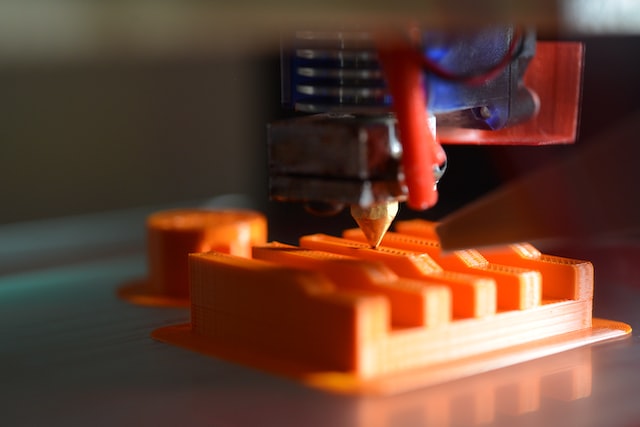
FDM is one of the most common 3D printing technologies, and it involves the extrusion of melted plastic through a nozzle to create layers that are stacked on top of each other. SLA, on the other hand, uses a laser to cure a liquid resin that hardens into a solid. SLS uses a laser to fuse powdered material together to create the final object.
One of the main advantages of 3D printing is its ability to create complex and intricate designs that were previously impossible to make using traditional manufacturing methods. Additionally, 3D printing can be faster and less expensive than traditional manufacturing methods, especially for small production runs.
Another advantage of 3D printing is its ability to produce customized parts. Since 3D printing involves building up layers of material, it is possible to create parts with unique geometries and features that would be difficult or impossible to create using traditional manufacturing methods.
While 3D printing has many advantages, it also has some limitations. One of the main limitations of 3D printing is its limited range of materials. Most 3D printers are limited to printing with plastics, although some can print with metals and other materials.
Additionally, 3D printing can be slow and expensive for large production runs. Since the process involves building up layers of material, it can take a long time to print a large object. Furthermore, the cost of 3D printing can be high for larger production runs, making it less cost-effective than traditional manufacturing methods.
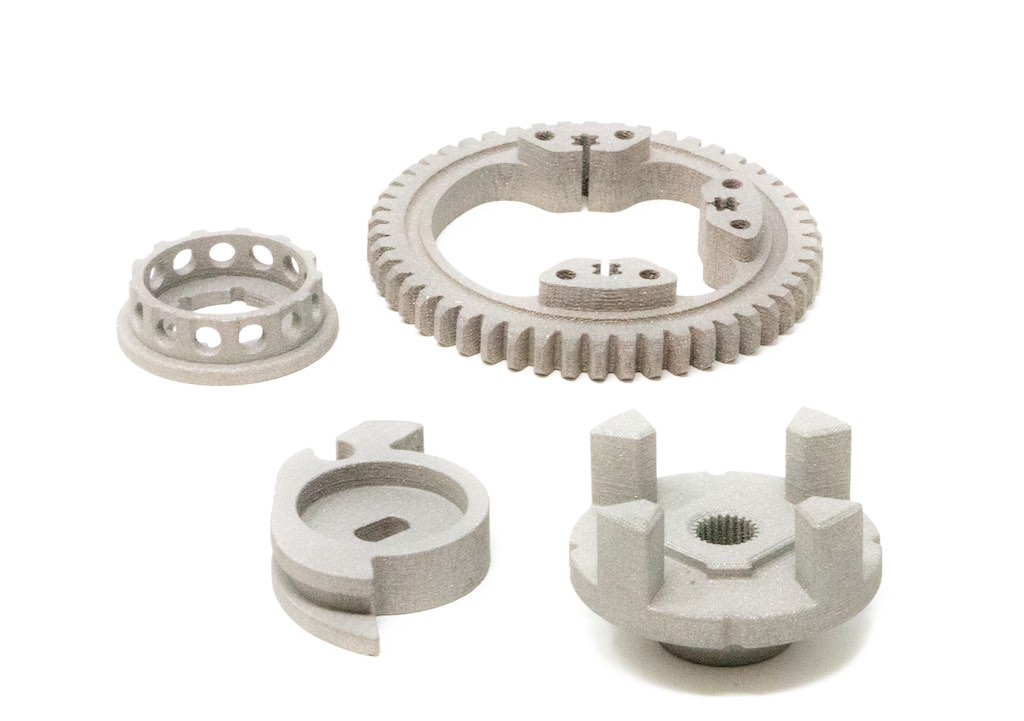
Additive manufacturing, like 3D printing, is a process of creating three-dimensional objects by adding material layer by layer. However, additive manufacturing involves the creation of objects by adding material, which may or may not come in layers. This technology is often used for industrial applications, and it can involve a wide range of materials, including metals, plastics, and ceramics.

There are several types of additive manufacturing processes, including binder jetting, directed energy deposition, and material extrusion. Binder jetting involves depositing a liquid binder onto a bed of powder material to create the final object. Directed energy deposition involves using a laser or electron beam to melt material as it is being deposited. Material extrusion, similar to FDM, involves the extrusion of material through a nozzle to create layers that are stacked on top of each other.
One of the main advantages of additive manufacturing is its ability to create complex geometries and designs that would be difficult or impossible to create using traditional manufacturing methods. Additionally, additive manufacturing can be faster and less expensive than traditional manufacturing methods, especially for small production runs.
Another advantage of additive manufacturing is its ability to create customized parts. Since additive manufacturing can create parts with unique geometries and features, it is possible to create parts that are tailored to specific applications.
Additive manufacturing is also a more sustainable manufacturing method than traditional manufacturing methods. Since additive manufacturing only uses the material that is needed to create the final product, there is less waste generated during the manufacturing process.
Like 3D printing, additive manufacturing also has some limitations. One of the main limitations of additive manufacturing is its limited range of materials. While additive manufacturing can use a wider range of materials than 3D printing, it still has some limitations in terms of the types of materials that can be used.
Additionally, additive manufacturing can be slow and expensive for large production runs. While additive manufacturing can be faster and less expensive than traditional manufacturing methods for small production runs, it can be slower and more expensive for larger production runs.
Another limitation of additive manufacturing is its size limitations. Since additive manufacturing involves building up layers of material, it can be difficult to create large objects using this method. However, there are some companies that are working on developing larger scale additive manufacturing technologies that can create larger objects.

While there are some key differences between 3D printing and additive manufacturing, there are also some similarities between the two technologies.Both 3D printing and additive manufacturing involve the creation of three-dimensional objects by adding material layer by layer. Additionally, both technologies allow for the creation of complex geometries and designs that would be difficult or impossible to create using traditional manufacturing methods.Another similarity between 3D printing and additive manufacturing is their ability to create customized parts. Both technologies allow for the creation of parts with unique geometries and features that can be tailored to specific applications.
Despite the similarities between 3D printing and additive manufacturing, there are also some key differences between the two technologies.One of the main differences between 3D printing and additive manufacturing is the range of materials that can be used. 3D printing is mostly used for plastic low cost FDM, SLA type of applications, while additive manufacturing is often used for industrial applications and can involve a wider range of materials, including metals, plastics, and ceramics.
Another difference between 3D printing and additive manufacturing is their size limitations. 3D printing is often used for creating smaller objects, while additive manufacturing can be used to create larger objects, albeit with some limitations.
Additionally, 3D printing is often faster and less expensive than additive manufacturing for small production runs. However, for larger production runs, additive manufacturing can be faster and more cost-effective than 3D printing.
3D printing and additive manufacturing are two popular technologies that have revolutionized the way things are made. While the terms “3D printing” and “additive manufacturing” are often used interchangeably, there are some key differences between the two technologies.
3D printing involves the creation of objects by building up layers of material, while additive manufacturing involves the creation of objects by adding material, which may or may not come in layers. Additionally, 3D printing is mostly used for plastic low cost FDM, SLA type of applications, while additive manufacturing is often used for industrial applications and can involve a wider range of materials.
Despite these differences, both 3D printing and additive manufacturing allow for the creation of complex and intricate designs that would be difficult or impossible to create using traditional manufacturing methods. Additionally, both technologies allow for the creation of customized parts that can be tailored to specific applications.
As technology continues to evolve, it is likely that we will see further advancements in 3D printing and additive manufacturing, and these technologies will continue to change the way things are made.