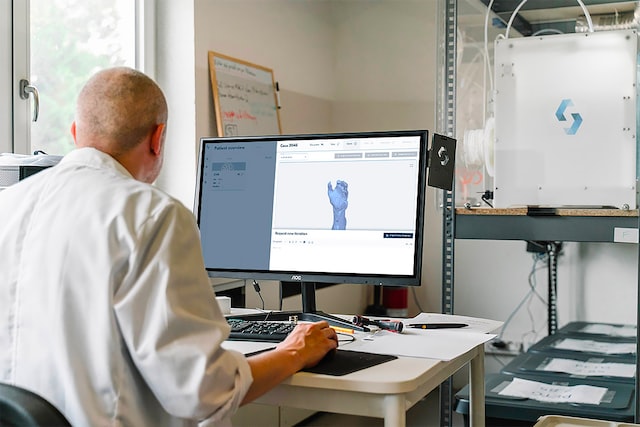
In our modern age, technology continues to change the way we create, design, and produce objects. One of the most transformative technological innovations in recent years has been additive manufacturing, commonly known as 3D printing. This revolutionary process allows us to create complex objects with remarkable precision and efficiency. In this article, we will take readers on a virtual tour of a 3D printing facility and provide an in-depth look at the various steps involved in creating a 3D-printed object, as well as the possible effects of each step.

At the heart of the additive manufacturing process is the digital design file. The design file is the blueprint for the object and contains all the necessary information about its shape, size, and structure. The file is created using specialized software that allows designers to create objects in 3D, using either vector or polygonal modeling. The software also allows designers to manipulate and refine the design, making it suitable for printing. The design file is typically saved in one of several formats, including STL, OBJ, or AMF, which are compatible with 3D printers.
The first step in the additive manufacturing process is the preparation of the design file for printing. This involves the use of software to “slice” the 3D model into layers, each of which is a cross-section of the final object. The software then generates instructions for the 3D printer on how to build each layer, including the placement and amount of material required for each layer. The slicing process is critical because it determines the accuracy, strength, and durability of the final product. It is also essential to ensure that the design is properly oriented to avoid structural issues, such as overhangs, undercuts, or warping.
Before the printing process can begin, several important considerations must be taken into account. One of the most critical factors is material selection. 3D printers can use a wide range of materials, including plastics, metals, ceramics, and even food. Each material has its unique properties and limitations, and the selection of the appropriate material is crucial to ensure that the final product meets the desired specifications. For example, if the object is intended for outdoor use, it should be printed with a material that is UV-resistant and weather-resistant.

Once the material has been selected, it is time to prepare the printing parameters. This involves setting the appropriate temperature, speed, and other variables that will affect the printing process. This step requires significant expertise and experience, as minor adjustments can have a significant impact on the final product’s quality. The printing parameters can also affect the printing time, as higher temperatures and faster speeds can result in quicker printing times but may sacrifice quality.
With the printing parameters set, the 3D printer can begin the additive manufacturing process. The printer creates the object layer by layer, adding material where it is needed and leaving spaces where it is not. This process can take several hours or even days, depending on the size and complexity of the object. During the printing process, the printer must be closely monitored to ensure that the object is printed correctly and that no issues arise, such as material jams, nozzle clogs, or other errors. Any errors can result in a failed print or an object that does not meet the required specifications.
After the printing process is complete, the object must undergo post-processing to achieve the desired finish and functionality. Depending on the application, this can involve a wide range of techniques, such as sanding, painting, polishing, or coating. These post-processing techniques are crucial to ensure that the final product is not only visually appealing but also meets the required functional specifications. For example, sanding can smooth rough surfaces, while coating can add strength or resistance to environmental factors.

The post-processing step can also have significant effects on the final product’s durability and strength. For instance, polishing can help to reduce the object’s surface roughness, which can increase its resistance to wear and tear. Coating can also protect the object from environmental factors such as moisture, heat, or UV radiation. These post-processing techniques are essential to ensure that the final product is not only aesthetically pleasing but also meets the required functional specifications.
Another critical consideration in the additive manufacturing process is quality control. This involves a series of tests and inspections to ensure that the object meets the required specifications and standards. Quality control can involve various techniques, such as visual inspection, dimensional analysis, or mechanical testing. These tests are necessary to ensure that the object is safe and reliable and that it meets the necessary regulations and standards.
In addition to the practical applications of additive manufacturing, the process also has significant implications for design and creativity. Because 3D printing allows designers to create objects with remarkable precision and complexity, it opens up a whole new realm of creative possibilities. Designers can create objects that were previously impossible or too challenging to produce using traditional manufacturing methods. This can lead to new forms of artistic expression and innovation in fields such as architecture, product design, and jewelry making.
Moreover, additive manufacturing also has environmental benefits, as it allows for more efficient use of materials and reduces waste. Traditional manufacturing methods often produce a significant amount of waste, as materials are cut, drilled, or carved to create the desired shape. In contrast, additive manufacturing only uses the necessary amount of material, which reduces waste and improves sustainability.
In conclusion, additive manufacturing, or 3D printing, is a revolutionary process that has the potential to transform the way we create, design, and produce objects. From digital design to post-processing, each step in the additive manufacturing process has significant implications for the final product’s quality, durability, and functionality. The use of specialized software, material selection, printing parameters, post-processing techniques, quality control, and creativity all play critical roles in the process. Additive manufacturing has already revolutionized many industries, from healthcare to aerospace, and has the potential to continue to drive innovation and creativity in the years to come.